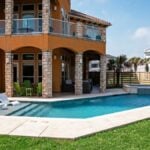
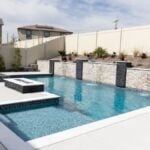
Building a swimming pool is a major investment, and choosing the wrong builder can turn your dream backyard into months of delays, unexpected costs, and frustration. A polished sales pitch or the lowest price does not always mean you’ll get the quality and service you expect.
The questions in this guide will help you compare pool builders beyond just the final quote.
Before You Interview a Pool Builder, Get Clear on Your Own Project

Before you sit down with a pool builder, spend a few minutes organizing your own plans. You’ll get more accurate answers, better estimates, and a conversation focused on your project, rather than spending half the meeting figuring out what you want.
Bring the following information with you or have it written down:
- Budget range: Decide on a comfortable spending range before requesting estimates. A builder can recommend designs and materials that fit your budget, rather than proposing options that are out of reach.
- Pool type preference: Know whether you’re leaning toward a concrete, fiberglass, or vinyl liner pool. Still deciding? See our gunite vs. fiberglass comparison to help narrow it down.
- Must-have features: List the features you don’t want to compromise on, such as a spa, tanning ledge, saltwater system, heating, or automation. This helps the builder prioritize what’s most important.
- Nice-to-have features: Separate the extras from the essentials. Waterfalls, fire features, decorative lighting, and upgraded finishes can always be discussed if they fit your budget.
- Timeline goal: Let the builder know when you’d like the pool completed. Whether you’re planning around summer, a family event, or a rental property opening, sharing your target date helps set realistic expectations.
- HOA status: If your neighborhood has a homeowners association, find out whether approval is required before construction begins. See our HOA pool approval guide for what to prepare.
- Property survey: Have a recent property survey or site plan available if you have one. It helps the builder identify property lines, easements, and the available space for the pool.
- Access issues: Think about how construction equipment will reach your backyard. Narrow side yards, fences, gates, or steep slopes can affect the construction plan and cost.
- Inspiration photos: Save photos of pools, patios, finishes, or layouts you like. Pictures communicate your style much faster than words.
- Questions about maintenance: Write down anything you want to know about cleaning, water care, equipment upkeep, energy costs, or seasonal maintenance. It’s easier to compare builders when you ask everyone the same questions.
Looking for a Trusted Pool Builder?
Compare your options with a builder who explains every step before construction begins.
The 15 Questions to Ask a Pool Builder
A pool contract is easier to evaluate when you’ve asked the right questions before signing. These questions help you understand how the builder works, what’s included in the price, and whether they’re the right fit for your project.
1. Are you licensed in my state?
Requirements vary. Some states require a specific pool contractor or general contractor license. Others, including Texas, don’t require one at all.
Why it matters: Where a license is required, it shows the contractor meets your state’s standards.
What a good answer sounds like: “Here’s our license if your state requires one.”
Red flag answer: “You don’t need to worry about that,” or an inability to produce the licensing documentation, if required in your state.
2. How many pools like mine have you built?
Not every builder specializes in every pool style. Experience with your specific project matters.
Why it matters: A builder who has completed similar pools is more likely to anticipate challenges and recommend practical solutions.
What a good answer sounds like: “We’ve built several projects with a similar size, layout, and features. I can show you photos and provide references.”
Red flag answer: “We’ve never built one exactly like that, but we’ll figure it out.”
3. Will you visit my property before giving a final quote?
An online estimate can only go so far. A site visit tells the full story.
Why it matters: Your yard’s layout, slope, access, drainage, utilities, and soil conditions all affect the final project. Seeing the property helps the builder prepare a more accurate proposal and not surprise the homeowner at a later date with change orders.
What a good answer sounds like: “We’ll inspect the property before finalizing the quote and discuss anything that could affect construction.”
Red flag answer: “Our first estimate is final. We don’t need to visit until construction starts.”
4. What exactly is included in the quote?
This is one of the most important questions you’ll ask. A lower price doesn’t always mean you’re getting the same value on your project.
Why it matters: A detailed quote helps you compare builders fairly. It also reduces surprises after work begins because everyone understands what’s included from day one.
Ask whether the quote covers:
- Pool construction drawings and permitting
- Excavation: do you include dirt haul or dirt management, what type of stone base?
- Plumbing and electrical work to your subpanel
- Equipment installation: what size pump, filter, sanitation type, automation, warranty
- Decking: do you include decking and what type?
- Interior finish: make sure to understand type of finish as this can range greatly
- Startup and water balancing
- Cleanup
- Final inspections
What a good answer sounds like: “Our proposal lists every major item, materials, equipment, labor, permits, and any allowances. We’ll review each section with you before signing.”
Red flag answer: “It’s all included,” without providing a written breakdown or itemized scope.
Avoid Expensive Surprises After You Sign
Get a detailed quote that clearly explains what’s included, what’s excluded, and what could affect the final price.
5. What is not included?
This question is just as important as asking what’s included.
Why it matters: Unexpected costs come from items that weren’t discussed. Knowing the exclusions lets you budget properly before construction starts.
Common exclusions include:
- Landscaping restoration
- Fence relocation
- Driveway repair
- Utility upgrades
- Additional concrete
- Outdoor kitchens
- Irrigation repairs
- Furniture and accessories
What a good answer sounds like: “We’ll provide a written list of exclusions so there aren’t any surprises.”
Red flag answer: “We’ll deal with extra costs if they come up.”
6. How do you handle permits and HOA approval?
Paperwork can delay a project if responsibilities aren’t clear.
Why it matters: Building permits and inspections protect your investment and help ensure the pool meets local building codes. If your community has an HOA, approval would be required before construction starts.
Ask who’s responsible for: Permit applications, inspection scheduling, engineering documents, HOA paperwork, and responding to plan revisions.
What a good answer sounds like: “We handle the permit process, coordinate inspections, and explain what we need from you if HOA approval is required.”
Red flag answer: “You’ll have to figure out the permits yourself.”
7. What site conditions could change the price?
Every property has its own challenges.
Why it matters: Knowing the possible cost changes before work begins helps you avoid surprise invoices later.
Common issues include: Rock excavation, high groundwater, poor soil conditions, underground utilities, limited equipment access, and retaining walls or drainage work.
What a good answer sounds like: “We’ll explain the conditions that could affect pricing and document any changes if encountered, before additional work begins.”
Red flag answer: “We won’t know until we start digging.”
8. What is the realistic timeline from design to first swim?
Don’t focus only on the construction phase. The entire project starts long before excavation.
Why it matters: Design, permits, material orders, inspections, weather, and final startup all take time. Understanding the complete schedule helps you plan around vacations, events, or rental bookings.
Ask the builder to walk through: The design timeline, permit submission and approval, the estimated construction schedule including anticipated weather delays, the inspection process, pool startup, and the final walkthrough.
What a good answer sounds like: “We’ll provide you with the project’s major milestones and keep you updated if anything changes.”
Red flag answer: “We should be done in a few weeks,” with no written schedule or explanation.
9. Who will be my main point of contact during the project?
Construction goes much more smoothly when communication is clear.
Why it matters: You’ll have questions throughout the project. Knowing exactly who to contact prevents confusion and speeds up decisions.
What a good answer sounds like: “You’ll work with one project manager who will provide updates and coordinate the crew.”
Red flag answer: “Just call the office, and someone will get back to you.”
10. Do you use subcontractors? If so, for what work?
Many pool builders subcontract specialized trades.
Why it matters: The important question isn’t whether subcontractors are used. It’s who supervises their work and ensures quality.
What a good answer sounds like: “We use licensed subcontractors for electrical, plumbing, or plaster work, and our project manager oversees every phase.”
Red flag answer: “I’m not sure who will be working on your project.”
11. What equipment brands and materials are included?
Not all equipment offers the same performance or warranty.
Why it matters: The contract should identify the brands and models for pumps, filters, heaters, automation systems, finishes, and other major components.
What a good answer sounds like: “The proposal lists the exact brands and model types for every major piece of equipment.”
Red flag answer: “We’ll install whatever is available.”
12. How are change orders handled?
Changes happen, but they should never be based on verbal conversations.
Why it matters: Whether you decide to upgrade tile or the project requires additional work, every change should be documented before the work begins.
A proper change order includes: A written description, updated pricing, any schedule changes, and your written approval.
What a good answer sounds like: “If each of us have done your design and contract correctly, there should not be a change order unless we encounter unforeseen circumstances in the ground or you, the homeowner, decides to change something. In that case, every change order is written, priced, and approved before we move forward.”
Red flag answer: “We’ll settle the extra charges at the end.”
13. What is the payment schedule?
A professional payment schedule follows key milestones, not arbitrary dates.
Why it matters: Paying in stages protects both parties. You know what you’re paying for, and the builder receives payment at each milestone.
Ask how payments are tied to progress, such as:
- Contract signing
- Excavation
- Steel and plumbing
- Gunite or shell installation
- Tile and coping
- Decking
- Equipment installation
- Final completion
Avoid paying the full contract amount before the work is complete. Have your last payment at interior finish for gunite or final inspection for fiberglass or vinyl liner.
What a good answer sounds like: “Our payment schedule is tied to key milestones, and each payment is clearly listed in the contract and spread over the entire project.”
Red flag answer: “We need 50% deposit or most of the money before construction starts.”
14. What warranties do you provide?
A warranty should be explained before you sign, not after the pool is finished.
Why it matters: Different parts of the project may have separate warranties for structure, workmanship, finishes, and equipment.
What a good answer sounds like: “We’ll explain each warranty in writing and provide the manufacturer’s warranty documents for the equipment.”
Red flag answer: “If something breaks, we’ll see what we can do.”
15. What happens after the pool is finished?
Finishing construction isn’t the end of the project.
Why it matters: You should know what support you’ll receive after the final inspection. Learning how to operate and maintain your pool is just as important as building it.
Ask what’s included: A final walkthrough, equipment training, startup instructions, maintenance guidance, warranty registration, and follow-up service if issues arise.
What a good answer sounds like: “We’ll walk you through the equipment, answer your questions at pool school, make sure you’re comfortable operating the pool before closing the project, and make you aware of the warranty process for any warranty items.”
Red flag answer: “Once it’s finished, it’s your responsibility.”
Questions That Matter Most When Comparing Two Pool Quotes
Two quotes can look similar at first glance, but the details often tell a different story. Use this sample comparison to see how two builders might answer the same questions and identify where one proposal offers more value, clearer expectations, or fewer hidden costs.
| Question | Builder A | Builder B |
|---|---|---|
| Is the scope of work the same? | Includes pool, decking, startup, cleanup, and final inspection. | Covers pool shell only. Decking and startup are separate charges. |
| Is decking included? | Yes. Includes 600 sq. ft. of concrete decking. | No. Decking is quoted as an optional upgrade. |
| Are permits included? | Yes. Builder handles permits, inspections, and paperwork. | Permit fees are the homeowner’s responsibility. |
| Is electrical work included? | Yes. Includes pool equipment wiring and required inspections. | Only equipment installation is included. Electrical work is billed separately. |
| Are the equipment specs listed? | Yes. Pump, filter, heater, and automation system are listed by brand, size and model. | Lists “standard equipment” without brands or model numbers. |
| Is the timeline realistic? | 12–16 weeks with milestones for design, permits, construction, and startup. | “About 8 weeks” with no written schedule. |
| Is the warranty clear? | Structural, workmanship, and manufacturer warranties are included in writing. | States “standard warranty” without details. |
| Who manages the job? | Dedicated project manager with weekly updates. | Different supervisors may oversee different phases or just call the office if any issues. |
Don’t judge by price alone, compare scope. A cheaper quote that’s missing key items often costs more once those gaps surface mid-project. Builder A’s proposal is more detailed and easier to evaluate upfront. Builder B may still be a solid contractor, but the missing details are worth clarifying before you sign.
If a builder leaves out permits, decking, equipment specifications, or warranty information, ask for them in writing. A complete quote makes it much easier to compare builders fairly and helps reduce unexpected costs once construction starts.
Need Help Comparing Pool Quotes?
We’ll walk you through the proposal, anwer your questions, and explain every cost before you commit.
Pool Builder Red Flags to Watch For

Most pool projects don’t go off track because of one major mistake. More often, they’re caused by warning signs that were overlooked before the contract was signed. If you notice any of these red flags during the interview process, ask more questions before moving forward.
- Vague or incomplete quotes: If the proposal doesn’t clearly list what’s included and excluded, expect confusion and possible extra costs later.
- Verbal promises only: If a feature or service isn’t written into the contract, don’t assume it will be included.
- Unclear payment schedule: Payments should be tied to completed project milestones, not random dates.
- Can’t provide recent references: A reliable contractor should be able to share recent projects and customer references.
- Pressure to sign immediately: A trustworthy builder gives you time to review the quote, compare options, and make an informed decision.
What to Get in Writing Before You Sign?
Before you sign the contract, make sure every important detail is in writing, not just discussed in meetings or over the phone. The signed agreement should describe the full design and renderings, the complete scope of work, equipment brands and model numbers, materials, project timeline, payment schedule, and everything included in the quoted price.
Verbal promises don’t count. If the builder agrees to a larger deck, an upgraded finish, added landscaping, or handling your HOA paperwork, get each item listed in the contract along with its cost.
The contract should also explain how change orders are approved, what warranties are included, who’s responsible for permits and inspections, and how project delays will be handled. Read every page carefully and ask about anything unclear, the written agreement should match everything you actually agreed to before you sign.
Final Recommendation: Choose the Builder Who Gives Clear Answers
The best pool builder isn’t always the one with the lowest quote. It’s the one who explains what’s included, flags what could affect the final price, responds promptly, and puts everything in a contract you can actually read and understand before construction begins.
Bring the questions and checklists in this guide to every builder interview. Ready to start? Schedule a free consultation with your local pool team, and use what you’ve learned here to compare quotes with confidence.
FAQs
How many pool builders should I interview?
Interview at least three pool builders before making your decision. This gives you a better comparison of pricing, communication, project scope, and overall value.
How much should I pay upfront for a pool project?
A deposit is common, but should never exceed 25%. The payment schedule should be tied to specific construction milestones rather than requiring most of the money up front. Make sure the payment terms are clearly stated in the contract before you sign.
Is the cheapest pool quote a bad idea?
Not necessarily, but a lower price may exclude important work, use lower-quality materials, or leave room for costly change orders later. Compare the scope of work, contract details, warranties, and communication, not just the total price to ensure you get the best value for your money.
This is typically the second largest investment a homeowner will make, so closely evaluate the details and pick a builder you trust and will be around for many years, so they can warranty their work.
Should I get everything in writing before paying a deposit?
Yes. Never pay a deposit based on a verbal agreement alone. The signed contract, with full scope, pricing, and timeline, should be in place before any money changes hands.
Can I negotiate a pool builder’s quote?
Some, though not always on price directly. You can usually negotiate scope, materials, or timing, choosing a mid-tier finish instead of premium, or scheduling in the off-season, to bring the total down without asking a builder to cut corners.
How do I know if a pool builder is financially stable enough to finish the job?
Ask for recent references from completed projects, not just ones in progress, and check how long they’ve been in business. A builder who can’t produce finished-project references or has a short track record carries more risk of leaving a job unfinished.
Ready to Build Your Dream Pool?
Work with a pool builder who communicates clearly, provides detailed contracts, and stands behind every project.