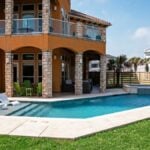
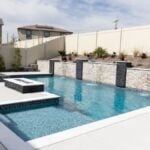
Pool coping is one of the most important finishing details on an inground pool. It protects the pool edge, improves safety, and gives the pool a clean, finished appearance while connecting it to the surrounding deck.
The best coping choice depends on your pool type, budget, and local climate. This guide covers the most popular materials and edge styles. You’ll also find real installed costs and design tips to help you choose with confidence.
What Is Pool Coping on an Inground Pool?
Pool coping is the protective cap or finished edge installed around the entire perimeter of an inground pool where the pool shell meets the surrounding deck.
It creates a clean, comfortable border for swimmers, helps prevent water from flowing behind the pool structure, and provides a solid transition from the deck to the pool.
Choosing the right coping material and edge style improves safety, protects your investment, and significantly affects how the finished pool looks.
Why Pool Coping Matters
Pool coping does more than give your pool a finished look. It protects the pool edge, helps keep water away from the pool structure, and makes the area safer to use. Without quality coping, water can get behind the pool, wash away the soil, and cause cracks or other costly damage over time.
The best coping depends on how the pool will be used. For a family pool, rounded or slip-resistant coping provides kids with a safer edge to hold onto. For a rental property or hotel, durable coping handles heavy foot traffic and keeps the pool looking well-maintained.
Pool Coping Edge Styles

The edge style you choose affects how your pool looks, feels, and functions every day. Some styles focus on comfort, while others create a clean, modern appearance or hide the pool wall for a more seamless finish.
Most edge styles can be created in a variety of materials, including concrete, natural stone, brick, or pavers, with two exceptions noted below.
Bullnose Coping
Bullnose coping has a rounded front edge that feels smooth and comfortable when you sit on the pool edge or climb out of the water.
It is one of the most popular choices because the rounded profile is easy on hands, arms, and legs. You can choose bullnose coping for a classic look that complements almost any pool design.
Cantilever Coping
Cantilever coping extends slightly over the pool wall to create a clean, continuous edge without separate coping stones. It is formed from poured concrete, since the technique relies on the deck itself extending over the bond beam.
This is the one edge style that isn’t available in stone, brick, or paver form. It gives the pool a simple, modern appearance and is a good choice if you want the deck and pool edge to blend.
Square Edge Coping
Square-edge coping has a flat, straight profile, creating sharp, clean lines around the pool. It pairs well with modern homes and geometric pool designs. Pick this style if you want a sleek, contemporary finish with a simple appearance.
Drop Face Coping
Drop face coping has a front edge that extends down over the pool wall, hiding the exposed bond beam and creating a thicker, more dramatic border.
It works well with raised, infinity, and elevated-walled pools. You can select drop-face coping for a bold, finished look that adds depth around the pool.
Top Mount Coping
Top-mount coping is attached to the top edge of the pool wall and is most often used on vinyl liner pools.
Unlike the concrete or stone profiles above, it’s typically an aluminum or resin track system that secures the liner bead while creating a clean transition between the pool and the deck.
You can pick top-mount coping if you are building or replacing a vinyl liner pool and need a system designed for that construction.
Best Inground Pool Coping Materials
The best pool coping material balances appearance, durability, maintenance, and budget. Compare the options below to find one that fits your pool design and the amount of upkeep you’re comfortable with.
Travertine Coping
Travertine is a natural stone that stays cooler under the sun, making it comfortable to walk on during hot weather. It has a timeless look that complements both modern and traditional pools. Choose travertine for a premium finish with good slip resistance and long-lasting performance.
Concrete Coping
Concrete coping is one of the most affordable and versatile choices for inground pools. It can be poured in place or installed as precast pieces in a variety of colors and edge profiles.
Select concrete if you want a durable option that offers plenty of design flexibility without stretching your budget.
Paver Coping
Paver coping creates a coordinated look by matching the pool edge with the surrounding patio. Individual pavers are easy to replace if one becomes chipped or damaged. You can choose paver coping for a practical option that simplifies future repairs.
Other Natural Stone Options
Beyond travertine, several other natural stones are popular for pool coping, including limestone, bluestone, granite, and sandstone, each with its own color and texture.
These stones give the pool a high-end appearance that blends well with outdoor landscapes. Choose one of these options for a unique finish that adds character and value to your backyard.
Brick Coping
Brick coping gives pools a warm, classic appearance that works especially well with traditional homes. It is durable, provides good traction, and pairs easily with brick patios and walkways. You can select brick coping for a timeless style with dependable performance.
Porcelain Coping
Porcelain coping offers a clean, modern look with excellent resistance to stains, fading, and moisture.
It requires very little maintenance and is available in finishes that resemble natural stone or concrete. Choose porcelain if you want a contemporary pool edge that stays easy to maintain and looks new.
Know Your Pool Coping Cost Before You Start
Review a detailed estimate with clear pricing and no hidden surprises.
Best Coping Options by Pool Type

Not every coping material works well with every pool. Matching the coping to your pool’s construction helps improve durability, appearance, and long-term performance.
Gunite or Concrete Pools
Gunite, shotcrete, and concrete pools offer the greatest flexibility, as they can be paired with almost any coping material or edge style. Coping goes on after the shell cures and before the deck is poured, so settle the material early in the pool installation process.
Travertine, natural stone, concrete, brick, and porcelain all work well when installed correctly. You can choose a material that matches your deck, budget, and the overall style you want to create. See our concrete vs. gunite guide if you’re weighing gunite against shotcrete construction.
Fiberglass Pools
Fiberglass pools have a finished shell, so the coping should create a clean transition between the pool and the deck without stressing the shell.
Concrete, pavers, travertine, and porcelain are all popular choices for this type of pool. Pick a coping material that complements the fiberglass’s smooth finish and provides a comfortable edge for swimmers. See our fiberglass pool cost guide for full installed pricing.
Vinyl Liner Pools
Vinyl liner pools require coping that holds the liner securely in place while finishing the pool edge.
Top-mount coping is designed for this purpose and can be paired with materials such as concrete, pavers, brick, or natural stone for the visible finish. You can pick a coping system made for vinyl liner pools to protect the liner and make future replacements easier. See our vinyl liner pool cost guide for full installed pricing.
How Much Does Inground Pool Coping Cost?
Pool coping is priced by the linear foot, so the total cost depends on your pool’s size, the material you choose, and the installation work required. On a new build it is a line item inside your total inground pool cost, not a separate bill.
Spending more on durable materials can reduce maintenance and replacement costs later, so it is worth comparing the upfront price and long-term value.
| Coping Option | Estimated Installed Cost (Per Linear Foot) |
|---|---|
| Basic concrete coping | $10 to $30 |
| Precast concrete coping | $20 to $40 |
| Brick coping | $25 to $65 |
| Paver coping | $25 to $70 |
| Travertine coping | $35 to $70 |
| Natural stone coping | $40 to $90+ |
| Porcelain coping | $40 to $80 |
These price ranges include materials and professional installation for most residential pools. Costs increase if your pool has a custom shape, the old coping needs to be removed, or the bond beam requires repairs.
Replacing existing coping costs more than installing coping on a new pool, due to the additional demolition and repair work required. Many homeowners bundle it with resurfacing so the demolition, cleanup, and crew mobilization are paid for once instead of twice. Ask your contractor for an itemized estimate so you can clearly compare material, labor, and repair costs.
See our questions to ask a pool builder guide for what else to confirm before signing.
Know Your Pool Coping Cost Before You Start
Receive a detailed estimate with clear pricing and no hidden surprises.
How to Match Pool Coping With Your Decking
Your pool coping and decking should work together, not compete for attention. Choosing materials, colors, and textures that complement each other creates a finished look and makes the pool more comfortable and safer to use.
- Use the same material for a seamless look: Installing the same material for both the coping and the deck creates a smooth transition, making the pool feel larger and more unified. This works especially well with travertine, concrete pavers, and porcelain.
- Choose contrasting coping for a framed pool look: A coping color that stands out from the deck creates a clear border around the pool and draws attention to the water. This is a great option if you want the pool to be the focal point of your backyard.
- Pick lighter colors for better heat comfort: Light-colored coping reflects more sunlight, so it stays cooler under bare feet during hot weather. This makes a noticeable difference around pools that get full sun throughout the day.
- Select a textured surface for better safety: Textured coping provides more grip when the surface is wet, helping reduce slips around the pool. It also adds visual depth without sacrificing durability.
- Coordinate coping with the waterline tile: Choose a coping that complements its color and style rather than competing with it. Matching warm tones with warm tones or cool tones with cool tones creates a balanced, polished appearance. Waterline tile is priced the same way coping is, at $15 to $20 per linear foot for an accent band, so pricing the two together is straightforward. See our pool resurfacing guide for full waterline tile pricing.
- Match the style of your home: Clean lines, square-edge coping, and porcelain suit modern homes, while bullnose coping, brick, and natural stone pair well with traditional designs. Keeping the pool style consistent with your home’s architecture creates a backyard that feels thoughtfully designed.
Best Coping Choices by Homeowner Goal
The best pool coping is not always the most expensive option. Start by deciding what matters most to you, whether that is appearance, comfort, easy maintenance, or long-term value, then choose a coping material and edge style that fits that goal.
| Homeowner Goal | Recommended Coping Choice | Why It Works |
|---|---|---|
| Best luxury look | Travertine or natural stone | Creates a high-end appearance with natural color and texture. |
| Best modern look | Square-edge concrete, porcelain, or cantilever coping | Delivers clean lines and a sleek, contemporary finish. |
| Best family-friendly edge | Bullnose coping | The rounded edge is more comfortable for sitting, climbing out, and everyday use. |
| Best warm-climate comfort | Light travertine or light textured concrete | Lighter colors stay cooler under direct sunlight. |
| Best repairability | Paver coping | Individual pavers can be replaced without removing the entire coping. |
| Best classic look | Brick or bullnose concrete | Complements traditional homes and timeless pool designs. |
| Best custom design | Gunite pool with natural stone or custom concrete coping | Offers the greatest flexibility for custom shapes, colors, and edge profiles. |
Use this table as a starting point when comparing materials with your contractor. Matching the coping to your priorities helps you get a pool that looks better, performs well, and fits your budget for years to come.
Pool Coping by Region

The same coping material can perform differently depending on where you live.
Florida: High humidity and salt air along the coast accelerate sealing needs on natural stone, and can shorten the maintenance interval compared to drier climates. Light-colored coping is worth prioritizing here given the intensity and duration of direct sun exposure.
Virginia and North Carolina: Freeze-thaw cycles put real stress on coping and the bond beam underneath it. Proper drainage beneath the coping matters more in this region, since trapped water that freezes and expands is a common cause of cracking.
South Carolina: Coastal humidity and sandy soil both play a role here, sandy soil can shift slightly over time, so a well-set bond beam matters, and salt air affects sealing frequency similarly to Florida in coastal markets.
Texas: Intense summer heat makes light-colored coping a practical choice, not just an aesthetic one, dark materials can become uncomfortable to walk on barefoot. Clay soil common in parts of the state can also shift slightly with moisture changes, so proper base preparation under the coping matters.
Arizona: Extreme heat and low humidity can cause some natural stones to expand and contract more than they would in milder climates, which is worth discussing with your contractor when choosing material. Light colors are especially important here given how intense direct sun exposure can be.
California: Sloped lots are common in many markets, which can affect how evenly a bond beam settles over time. Seismic considerations are also worth a conversation with your builder, since coping and deck joints need to accommodate some ground movement.
Pool Coping Mistakes to Avoid
A good coping installation can last for decades, but the wrong choices can lead to repairs, safety issues, and extra maintenance. Avoid these common mistakes before you commit to a material or installation.
- Choosing based on price alone: Low-cost coping can wear out faster and cost more to repair or replace over time.
- Ignoring slip resistance: Smooth materials may look attractive, but can become slippery when wet. Choose a textured or slip-resistant finish for better safety.
- Picking dark colors in full sun: Dark coping absorbs more heat, making it uncomfortable to walk barefoot during hot weather.
- Using materials that clash with the deck: Coping and decking should complement each other to create a clean, finished appearance rather than appearing as separate projects.
- Skipping repairs to the bond beam: Installing new coping over a damaged bond beam can lead to cracks and loose coping later. Fix structural problems before installing the new coping.
- Not planning for maintenance: Natural stone may need periodic sealing, while other materials require less upkeep. Choose a material that matches the amount of maintenance you are willing to do.
- Hiring an inexperienced installer: Even high-quality materials can fail if they are installed incorrectly. Work with a contractor who has experience installing pool coping and ask to see examples of completed projects.
Get Pool Coping Installed the Right Way
Work with experienced professionals to avoid costly repairs and installation mistakes.
When Should Pool Coping Be Replaced?
Pool coping is built to last, but it should be replaced when it no longer protects the pool or provides a safe, finished edge. One of the first signs is cracking. Small surface cracks may be cosmetic, but larger cracks can let water reach the pool structure and lead to more expensive repairs.
Loose coping stones or sections are another warning sign. Coping should stay firmly in place, so any movement underfoot means the installation needs attention. Missing or deteriorating mortar joints should also be repaired promptly, as they allow water to seep beneath the coping and weaken the bond over time.
You should also replace coping that has chipped or developed sharp edges. Damaged edges can cause injuries and make it less comfortable to enter or exit the pool. If you notice water getting behind the pool edge, have the coping inspected as soon as possible to help prevent damage to the bond beam and surrounding deck.
A pool remodel is also a good time to replace coping, even if the existing material is still functional. New coping gives the pool a more updated appearance and ensures it matches the new decking, tile, or other features. A coordinated finish makes the entire pool area look cleaner, more intentional, and better finished.
FAQs
What is the difference between pool coping and pool decking?
Pool coping is the finished edge that caps the pool perimeter and protects the pool structure. Pool decking is the larger surface surrounding the pool where people walk, relax, and place outdoor furniture.
Is bullnose or cantilever coping better?
Bullnose coping is better if you want a comfortable, rounded edge with a classic appearance. Cantilever coping is a better choice for a clean, modern look where the deck extends slightly over the pool wall.
How much does inground pool coping cost?
Most inground pool coping costs between $10 and $90+ per linear foot installed, depending on the material and labor. Premium materials, custom pool shapes, and repair work can increase the total cost.
Can pool coping be replaced without replacing the whole deck?
Yes, pool coping can often be replaced without removing the entire pool deck if the deck is still in good condition. A contractor should inspect the bond beam and the surrounding concrete first to make sure the new coping has a solid base.
Does pool coping crack in cold climates?
It can, especially if water gets trapped underneath and freezes. Freeze-thaw cycles are a real factor in colder markets, so proper drainage beneath the coping and a solid bond beam matter more in these regions than in consistently warm climates.
How often does natural stone coping need to be sealed?
Most natural stone coping needs resealing every 1 to 3 years, though coastal or high-humidity climates can shorten that interval. Ask your contractor what sealing schedule they recommend for the specific stone and climate you’re working with.
Ready to Upgrade Your Pool Coping?
We’ll help you choose the best material, edge style, and design for your pool and budget.
Get Help Choosing Your Pool Coping
Talk through material, budget, and climate with a local pro before you commit. Schedule a free consultation with your local pool team to compare options for your specific backyard.