Finding green water, a pool that keeps losing water, or a pump that suddenly sounds wrong is stressful, but it doesn’t always mean a big repair bill. Every pool needs maintenance, and not every problem is a disaster.
The key is knowing which inground pool problems are simple fixes, which signal something serious, and which should have been prevented during design or construction.
Most problems give early warning signs, so knowing what to look for lets you act before a small issue grows.
Quick Troubleshooting Table: What Your Pool Problem May Mean
Before you schedule a repair, a few simple checks can tell you a lot about what’s happening with your inground pool. Use this table to match what you see to a likely cause, a safe DIY check, and the point where it’s time to call a professional.
| Problem You Notice | Likely Cause | DIY Check | When to Call a Pro |
|---|---|---|---|
| Green water | Low sanitizer, high CYA, poor circulation | Test chlorine, pH, and CYA; brush, shock, and run the filter | Still green after treatment and 24 to 48 hours of filtering |
| Cloudy water | Dirty filter, unbalanced chemistry, short run time | Test and balance water; clean the filter; check pump runtime | Still cloudy after balancing and cleaning |
| Strong chlorine smell | Chloramines from low free chlorine | Test free and combined chlorine; shock if needed | Smell returns despite correct chemistry |
| Water level dropping | Leak or heavy evaporation | Do the bucket test; look for wet spots at the equipment pad | Loss exceeds evaporation, or you suspect buried plumbing |
| Cracks | Shell movement, soil shifting, hydrostatic pressure | Note whether cracks are hairline, widening, or leaking | Cracks widen, leak, or appear in the structure |
| Rough plaster | Aging, scale, or etching from unbalanced water | Feel for rough spots; test calcium hardness and pH | Plaster is flaking, peeling, or scratching the skin |
| Weak water flow | Clogged baskets or filter, closed valves, air leak | Empty baskets; check valves, filter pressure, water level | Flow stays weak after cleaning |
| Noisy pump | Low water, air leak, debris, worn bearings | Turn off power; check basket, water level, and lid seal | Grinding, screeching, or vibration continues |
| Heater not working | Low flow, sensor or ignition faults, power issue | Check thermostat, breaker, error code, and filter | Any gas, ignition, or electrical fault |
| Dirty water after filtering | Torn grids or cartridges, broken laterals, channeling | Clean or backwash per filter type; check pressure | Sand, DE, or debris keeps returning |
| Deck settling | Soil erosion, poor compaction, leaking pipe | Look for gaps, voids, and uneven slabs | Deck shifts, creates a trip hazard, or meets the pool shell |
| Drainage issues | Poor grading, clogged drains, downspouts | Watch where rain flows; clear visible blockages | Standing water persists near the pool or deck |
| Lights or automation not working | Tripped GFCI, failed transformer, connection, or control fault | Check GFCI, breaker, timer, and app; don’t open wiring | Any underwater light or electrical fault |
A quick check now can keep a small problem from becoming a major repair. If it involves the pool structure, buried plumbing, or electrical system, have a professional inspect it before you try to fix it. For a sense of what repairs can cost, see the cost sections later in this guide.
Not Sure What’s Wrong With Your Pool?
Get a professional inspection to identify the issue before it turns into a costly repair.
Water and Chemistry Problems
Water quality is usually the first sign your inground pool needs attention. Most water problems are simple chemistry fixes. The ones that keep coming back often point to a circulation, filtration, or equipment issue.
1. Green Water or Algae
Usually simple, unless it keeps returning.
Green water is algae, and it means your chlorine isn’t doing its job. Common causes are low sanitizer, poor circulation, or too much cyanuric acid (CYA), which can lock up chlorine. To clear it:
- Test chlorine, pH, and CYA.
- Brush surfaces and empty the baskets.
- Shock the pool per the product label.
- Run the pump continuously and clean the filter.
- Retest and repeat until clear.
Never mix chemicals, and wait for chlorine to drop to a safe level before swimming. If the water turns green again within days, check circulation and filtration.
2. Cloudy Pool Water
Simple to moderate. Persistent cloudiness is a filtration clue.
Cloudy water means the filter isn’t catching particles or the chemistry is off. Test chlorine, pH, alkalinity, and calcium hardness. Clean the filter for its type, and make sure the pump runs long enough each day (often 8 to 12 hours in season).
A clarifier can help, but it’s a patch, not a cure. If the water stays cloudy, have a pro check the filter, pump, and circulation.
3. Strong Chlorine Smell or Eye Irritation (It’s Usually Chloramines)
Easy to fix, and often preventable with regular testing.
A strong chlorine smell usually means too little free chlorine, not too much. When chlorine binds with sweat, sunscreen, and other contaminants, it forms chloramines, which cause the smell and stinging eyes.
Test free and combined chlorine, and shock if combined chlorine is above about 0.5 ppm. Also, check pH, since a pH that is too high or too low can irritate eyes on its own. If the smell returns soon after shocking, have a pro inspect your circulation and sanitizer equipment.
Leaks and Water Loss Problems
Water loss is one of the most common signs of a hidden problem in an inground pool. Caught early, a leak is usually a simple repair. Ignored, it can wash out soil, damage the deck, and raise repair costs.
4. Pool Water Level Keeps Dropping
Simple to serious, depending on the leak.
Normal evaporation is about ¼ inch per day, more in hot, dry, or windy weather. American Leak Detection notes that figure reflects hot, dry, windy conditions and runs lower in cool, humid weather, which is why the bucket test below measures your pool’s actual rate. If your pool loses more, you may have a leak. To check:
- Bucket test: Turn off any auto-fill, then fill a bucket about three-quarters full and set it on the first step. Mark the water level inside the bucket and on the pool wall. After 24 hours, if the pool dropped more than the bucket, you likely have a leak.
- Pump-off test: Repeat with the pump off. If the loss slows or stops, the leak is likely in the plumbing. If it doesn’t, suspect the shell, skimmer, or lights.
- Look for clues: Wet spots, soft soil, a sinking deck, or an auto-fill that never stops.
Don’t dig into plumbing yourself. If the loss exceeds evaporation or you suspect a buried leak, call a leak-detection pro.
5. Plumbing or Equipment Pad Leaks
Usually simple, but don’t ignore them.
Check pumps, filters, valves, heaters, and connections for drips, puddles, or crusty residue. Air bubbles in the pump basket usually indicate a suction-side leak, which can also cause weak flow and noise.
Turn off the power at the breaker first, and tighten fittings gently, since overtightening can crack threaded plastic. Call a pro if a leak persists or involves the pump, heater, or buried piping.
Surface, Tile, and Coping Problems
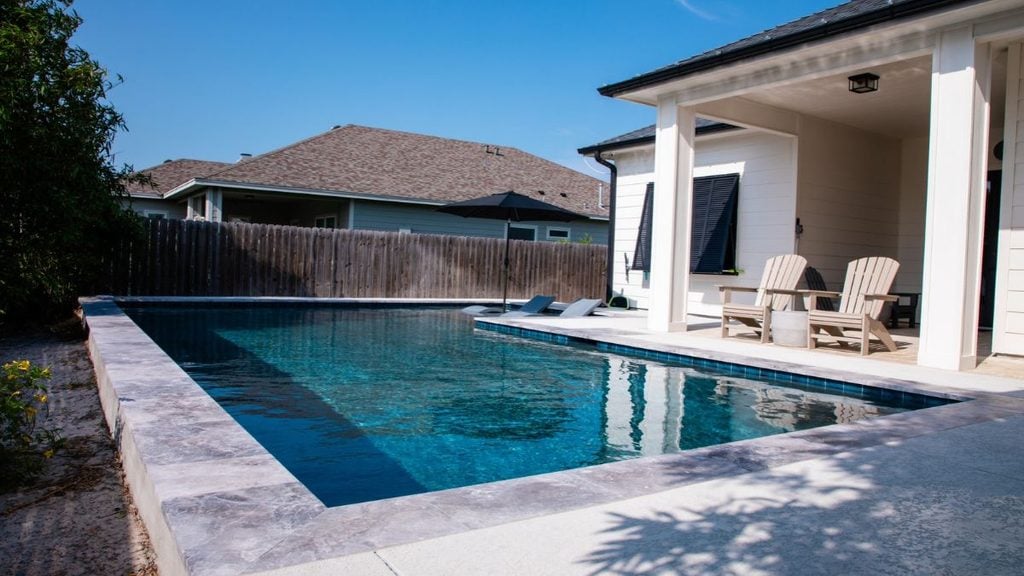
The surface, tile, and coping protect your inground pool shell and keep water out of the structure behind it. Cosmetic wear is common, but damage here should be addressed before it spreads.
6. Cracks in Plaster, Gunite, or Concrete
Hairline: usually cosmetic. Widening or leaking: serious.
Fine hairline cracks are common in plaster as pools age. Larger cracks may indicate soil movement, hydrostatic pressure, or structural problems, and they can allow water to reach the shell and the soil behind it.
Watch for a crack that is growing, leaking, or appearing in several places. If you can catch a fingernail in it, or you notice widening cracks, uneven surfaces, or water loss, have a pro inspect the structure.
7. Rough, Stained, or Flaking Pool Surface
Often water-balance related. Flaking usually means resurfacing.
A rough surface is usually caused by scale from high pH or calcium, etching from low pH, or an aging finish. Stains typically come from metals or organic debris like leaves and algae.
To tell them apart, wear gloves and test a small, hidden area first:
- Rub a vitamin C tablet on the stain. If it fades, it’s a metal stain.
- If nothing changes, briefly rub a chlorine tablet over it, keeping it moving. If the stain fades, it’s organic.
Balance the water first, since that often stops scale, etching and new stains. If the plaster is flaking, peeling, or scratching your skin, the pool likely needs repair or resurfacing.
8. Loose Tile or Damaged Coping
Simple if caught early. A safety issue if ignored.
Loose tiles and cracked or shifting coping can cut feet, create trip hazards, and let water get behind the pool edge. Common causes are age, ground movement, and weather exposure.
Look for missing tiles, cracked stones, loose edges, or gaps along the border. Fix them early to prevent damage to the shell and surrounding deck, and call a pro if coping is shifting or the gap is growing.
Equipment and Circulation Problems
Your pool equipment keeps water moving, filtered, and comfortable, so a problem here can quickly affect the whole inground pool. Many fixes are simple, but repeated failures usually mean something deeper.
9. Pump Is Loud, Weak, or Not Priming
Often simple. Grinding or repeated priming loss needs a pro.
Most pump problems come from clogged baskets, low water level, closed valves, a worn lid O-ring, or an air leak on the suction side. Turn off the power, empty the basket, check that the water covers the skimmer, and make sure the valves are open.
If the pump still loses prime, grinds, or screeches, the motor or bearings may be failing, and it’s time to call a pro.
10. Filter Pressure Problems and Dirty Water After Filtering
Simple to moderate. Sand or DE in the pool is a pro call.
Note your filter’s pressure when it’s clean. If the gauge rises 8 to 10 PSI above that number, clean or backwash it, depending on the filter type (cartridge filters can’t be backwashed). Low pressure usually indicates a clogged basket, a closed valve, or an air leak.
If sand, DE, or debris keeps returning to the pool, a broken lateral or torn grid is likely, and a pro should open the filter.
11. Heater, Lights, or Automation Stop Working
Check the basics. Anything electrical or gas-related is pro territory.
Heaters often shut off because of low water flow, so check the filter and baskets first. Then confirm the thermostat, breaker, GFCI, timer settings, and app connection. Don’t open junction boxes or handle wiring. Call a pro for gas or ignition faults, underwater lights, or any electrical problem.
Pool Equipment Giving You Trouble?
From noisy pumps to filter and heater problems, we’ll diagnose the issue and recommend the right repair.
Design and Construction Problems
Some inground pool problems come from what’s happening around the pool, not in it. Drainage, soil conditions, and construction quality all affect how well your pool and deck hold up.
12. Drainage, Deck Settling, or Soil Movement
Minor if caught early. Serious if the deck is sinking or water is pooling against the pool.
Water that collects near the pool can wash out or soften the soil, leading to cracked decks, uneven slabs, and gaps along the pool edge.
Common causes include poor grading, clogged drains, downspouts discharging onto nearby areas, poorly compacted backfill, and a leaking buried pipe. High groundwater can also create hydrostatic pressure against the shell, so don’t drain your pool without professional guidance. This is more common in some markets: expansive clay shifts decks in Dallas–Fort Worth, and Fort Myers has one of the highest water tables in Florida.
After a rain, watch where water flows and look for standing water or new gaps between the deck and coping. Call a pro if the deck is sinking, creating a trip hazard, or shifting toward the pool, since the cause may be buried plumbing or soil movement.
Which Pool Problems Are Most Expensive?
Repair costs depend on severity, but structural damage and hard-to-reach problems usually cost the most. Catching issues early often keeps them in the cheaper range.
| Pool Problem | Cost Level | Why It Costs More |
|---|---|---|
| Structural cracks | Very high | Shell repairs may involve excavation, structural work, and leak correction |
| Plumbing repair under the deck | Very high | Pipes under concrete require leak detection, excavation, and deck restoration |
| Major leak repair | High to very high | Hidden leaks need specialized testing and access to buried plumbing or the shell |
| Full resurfacing | High | The pool is drained, the old finish removed, and a new surface applied |
| Deck or drainage repair | Moderate to high | Fixing soil, grading, and hardscape can be labor-intensive |
| Equipment replacement | Moderate to high | Costs climb when a pump, filter, and heater fail around the same time |
For a closer look at what drives these costs, see our guides on pool resurfacing costs and pool maintenance costs.
Avoid Expensive Pool Repairs
Early inspections can catch leaks, structural issues, and equipment failures before repair costs escalate.
Why Many Pool Problems Start During Construction
Many pool problems begin before the first swim, with decisions made during design and construction. Knowing what to watch for helps you ask better questions before you build or understand what’s behind a problem you already have. If you are still planning, our guide to the pool installation process walks through each stage.
- Poor drainage planning: Water that isn’t directed away from the pool leads to soil movement, deck damage, and pressure on the shell (see #12).
- Undersized equipment: A pump, filter, or heater that’s too small for the pool struggles to keep water clear and warm, which shows up as cloudy water, weak flow, or a heater that never keeps up.
- Weak communication about scope: Unclear agreements on materials, features, and exclusions lead to surprise change orders. Get everything in writing.
- Cheap materials: Low-grade finishes, fittings, and equipment save money upfront but wear faster, leading to rough surfaces, leaks, and early replacements.
- Poor startup chemistry: New plaster needs careful water balance and brushing in its first weeks. Skipping this can cause scaling, staining, or a rough finish that’s hard to fix.
- Bad decking decisions: The wrong material, poor slope, or weak base can cause cracking, standing water, and slippery or uneven surfaces.
- No plan for maintenance access: Equipment buried behind landscaping or plumbing sealed under pavers makes every future repair slower and more expensive.
Before you hire, ask your builder how they size equipment, handle drainage, manage startup, and plan for access. A good builder answers these clearly and puts them in the contract. Our full list of questions to ask a pool builder covers the rest.
How to Prevent Inground Pool Problems Before They Start
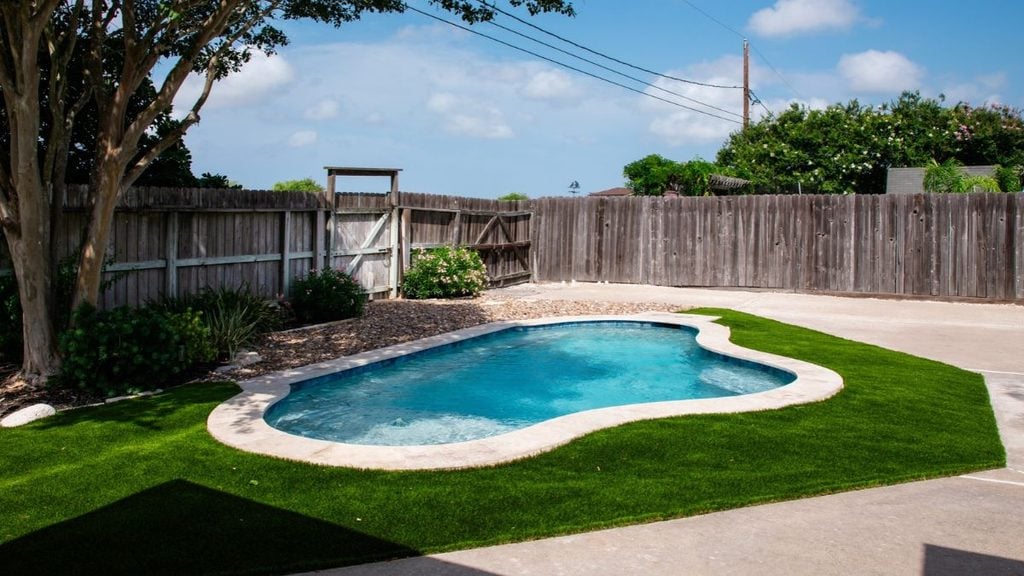
Most inground pool problems give early warning signs. A simple routine helps you catch them while they’re still easy to fix.
Weekly
- Test and balance water: Check chlorine, pH, and alkalinity. Test CYA and calcium hardness monthly.
- Clean baskets: Empty skimmer and pump baskets so water keeps circulating.
- Brush and skim: Remove debris and brush walls and steps to prevent algae and stains.
- Check the water level: A sudden drop beyond normal evaporation is your earliest sign of a leak.
- Inspect the equipment pad: Look for drips, crusty residue, odd noises, or changes in pump and filter performance.
Monthly or as needed
- Track filter pressure: Note the clean-filter reading, then clean the filter when it rises 8 to 10 PSI.
- Fix small leaks early: A minor drip is a simple repair. Left alone, it can damage plumbing, soil, and the deck.
- Check drainage: After rain, make sure water flows away from the pool and deck, and keep drains and downspouts clear.
Before you build or upgrade
- Choose the right builder and equipment: Proper design, quality materials, and correctly sized equipment prevent many problems from the start (see the construction section above).
When to Call a Pool Professional
Many pool problems start as simple fixes, but some should not be handled on your own. If you see any of the signs below, it’s time to bring in a pro.
Call right away (safety risk)
- Electrical problems: Tripping breakers or GFCIs, flickering or failed underwater lights, or tingling when you touch metal in or near the pool. Turn off the power and stay out of the water.
- Sinking deck or trip hazards: A deck that is shifting toward the pool or creating uneven edges.
Schedule soon (damage risk)
- Water loss beyond evaporation: The level keeps dropping after the bucket test points to a leak.
- Growing cracks: Cracks that widen, leak, or appear in several places.
- Buried plumbing issues: Any suspected leak under the deck or in underground pipes, which needs leak detection, not guesswork.
- Major drainage problems: Standing water or soil movement near the pool or deck.
Equipment problems
- Pump that keeps losing prime: Repeated priming loss after you’ve checked the basket, valves, and water level.
- Heater faults: Failure to start, error codes, or unusual noises, especially with gas or electrical components.
- Sand, DE, or debris returning to the pool: Often a broken lateral or torn grid inside the filter.
If you’re unsure, a quick inspection is usually cheaper than guessing wrong. A qualified pool professional can find the root cause before a small repair becomes a larger one.
FAQs
Are inground pools expensive to maintain?
About $1,500 to $6,000 a year overall, or roughly $120 to $500 a month. Gunite pools run about $2,000 to $4,000 a year, fiberglass $1,000 to $2,000. The costs owners forget usually come from ignored leaks and failed equipment. See our pool maintenance cost guide.
How long does a pool surface last?
About 10 to 25 years, depending on the finish. Basic plaster sits at the shorter end, while pebble and other upgraded finishes last longer. Rough spots, staining that won’t scrub off, and flaking are signs it’s time. See our pool resurfacing cost guide.
Are some pool problems tied to where you live?
Yes. Expansive North Texas clay shifts decks and pushes on shells, coastal salt air wears equipment faster, and high water tables in markets like Fort Myers make draining a pool risky without engineering. A local builder plans for these before the dig.
What should I watch in a new pool’s first month?
Brushing and water chemistry. The first 28 days after filling matter most for a concrete pool’s interior finish, so brush daily and keep the water balanced. Skipping it can cause early scaling, staining, and rough spots that are hard to fix.
What pool problems should a builder help prevent?
Drainage, undersized equipment, startup chemistry, and hard-to-reach plumbing are the big ones. A good builder also teaches you the equipment at handoff. Our Jacksonville builders, for example, run a 60 to 90 minute Pool School at your home before you take over.
When should I repair vs replace pool equipment?
Repair when the equipment is newer and the problem is isolated. Replace when it’s near the end of its typical life, fails repeatedly, or the repair cost approaches the price of a new unit. Older pumps and heaters can also be less energy-efficient, so replacement may save on running costs.
Build It Right the First Time
Many of these problems trace back to drainage, equipment sizing, and access decisions made before the dig. Our builders complete more than 1,100 luxury pools a year across 11 markets in 7 states. Find the builder in your market to plan a pool that avoids them.
Need Professional Pool Repair?
Whether you’re dealing with leaks, cracks, cloudy water, or equipment problems, our team is ready to help restore your pool.