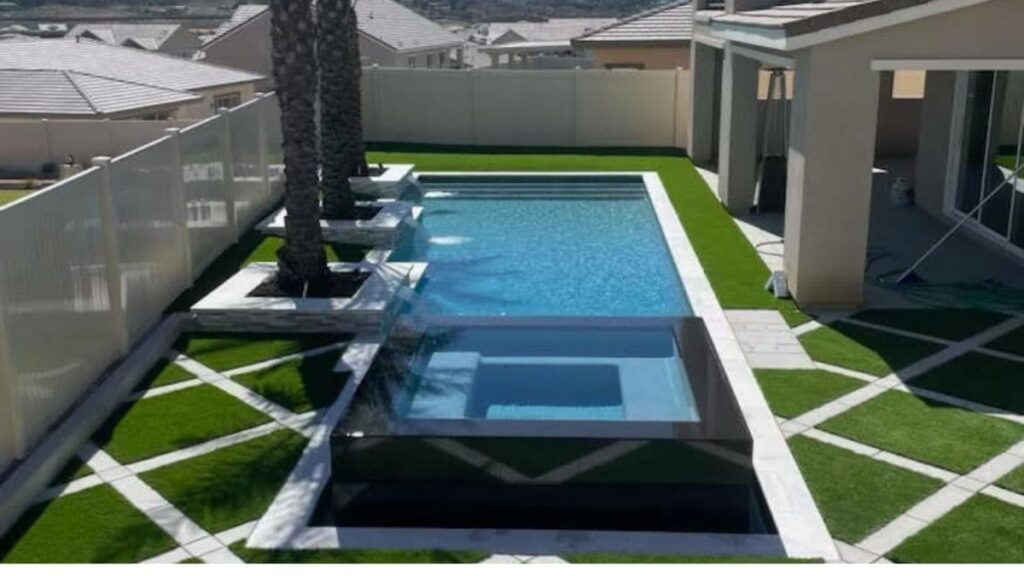
Yes, an inground pool can add value to a home, especially in the right market. In warm climates and pool-friendly neighborhoods, a well-designed pool can increase buyer appeal and may add up to about 7% to a home’s value, according to HouseLogic, the National Association of Realtors’ consumer site.
However, homeowners should not expect to recover the full installation cost when they sell. A pool costing $80,000 may increase the resale value by only a portion of that amount. See our inground pool cost guide for what a build actually runs. The return depends on factors like location, buyer demand, pool condition, design, and ongoing maintenance.
Below, we cover when a pool helps resale, when it doesn’t, and which features make the difference.
So, Does an Inground Pool Add Value to a Home?
The short answer is yes, but the size of that increase is never guaranteed. A pool is not a fixed-value upgrade like a new roof or a kitchen remodel. Its worth to a buyer shifts depending on where the home is, who is shopping in that market, and how well the pool has been kept up.
That is why two nearly identical pools can have very different effects on resale. A pool in a warm-weather neighborhood full of similar homes tends to read as a normal, expected feature. That same pool in a market where pools are rare, or where it has been neglected, can just as easily become a reason a buyer walks away.
How Much Value Can an Inground Pool Add?
An inground pool can increase a home’s appeal and value, but the impact varies based on the market, home type, and pool condition.
| Situation | Possible Value Impact | Why It Matters |
|---|---|---|
| Warm climate / pool-friendly neighborhood | Higher value potential | Buyers often expect outdoor living features and see pools as a major benefit. |
| Luxury home market | Stronger value impact | A well-designed pool can complete the outdoor living experience of a high-end property. |
| Average suburban home | Moderate value impact | A pool can attract buyers but may not recover the full installation cost. |
| Cold-climate market | Lower value impact | Short swimming seasons reduce buyer demand. |
| Poorly maintained pool | Little to no added value | Repairs, outdated equipment, and upkeep concerns can hurt buyer interest. |
| Above-ground pool | Minimal value impact | Many buyers view it as temporary and less desirable than an inground pool. |
Pool ROI vs Home Value: What Homeowners Often Miss
Many homeowners assume that spending $80,000 on a pool will add $80,000 to their home’s value. In reality, the numbers are not that simple.
A pool’s value, cost recovery, and enjoyment are different things:
- Added home value: This is how much the pool may increase what buyers are willing to pay for the property.
- Cost recovery: This is how much of the pool installation cost you get back when selling. A pool can add value without recovering the full amount spent.
- Personal enjoyment: The time spent swimming, relaxing, and entertaining adds value while you own the home.
- Marketability: A pool can shorten time on market and widen your buyer pool, especially in areas where pools are common.
- Appraisal value: An appraiser considers factors like location, comparable homes, and overall property features, not just the amount spent on the pool.
For example, if you spend $80,000 on an inground pool and it adds $35,000 to $45,000 in resale value, the pool increased your home’s value but did not fully pay for itself. That tracks with the National Association of Realtors’ 2023 Remodeling Impact Report, which estimates a new inground pool at $90,000 and the value recovered at $50,000, about 56%.
The best way to view a pool is as a lifestyle upgrade that can also improve resale appeal. The financial return is a benefit, but it should not be the only reason to build one.
When an Inground Pool Is More Likely to Add Value
An inground pool is more likely to increase home value when it fits the location, the property, and what buyers are looking for. These factors can make a pool feel like a desirable feature instead of an added expense.
You Live in a Warm Climate
Pools tend to add more value in areas where homeowners can use them most of the year. Markets like Florida, Arizona, Texas, Southern California, and similar warm-weather regions often have stronger demand for homes with pools.
Even in cooler markets, a well-built pool can still boost appeal. It typically just carries a smaller resale premium since the swim season is shorter.
In these areas, buyers often see a pool as part of the outdoor lifestyle rather than just a maintenance responsibility.
Pools Are Common in Your Neighborhood
A pool becomes more valuable when it matches buyer expectations in your area. If many nearby homes have pools, a home without one may take longer to sell or feel less competitive.
In pool-friendly neighborhoods, buyers may compare your property against homes with finished outdoor spaces, making a well-designed pool a strong selling feature.
The Pool Fits the Home’s Style and Quality Level
The pool should fit the style and value of the home. A luxury property often needs a pool design that feels intentional and high-end, not like a basic addition.
Features like high-quality materials, attractive landscaping, and a design that connects with the home can have a greater impact on buyers.
The Pool Is Well-Maintained
A clean, updated pool creates a better first impression. Buyers are more likely to see it as a benefit when the space looks move-in ready.
Important details include:
- Clear, clean water
- Updated pumps and equipment
- Quality decking
- Fresh coping
- Proper lighting
- Well-maintained landscaping
An outdated pool with visible repairs can have the opposite effect, making buyers worry about future costs.
The Backyard Feels Finished
A pool adds more value when it is part of a complete outdoor living space. Buyers often look for a backyard that is ready for relaxing and entertaining.
Features that improve the overall appeal include:
- Outdoor kitchens
- Cabanas or covered areas
- Shade structures
- Landscape design
- Outdoor lighting
- Privacy features
A finished backyard helps buyers picture how they will use the space, which can make the home more attractive compared to similar properties.
Thinking About Adding a Pool?
We’ll help you design one that fits your home, budget, and local market.
When a Pool May Not Add Much Value
An inground pool does not always increase a home’s value. In some cases, it can make a property harder to sell if it does not match buyer expectations, and these are the situations where that risk shows up most often.
- Cold climates with short swim seasons: Buyers may see less value in a pool that can only be used for a few months each year.
- Small yards where the pool takes over the space: A pool that leaves little room for seating, landscaping, or outdoor activities can make the backyard feel less functional.
- Older pools needing repairs: Cracked surfaces, outdated equipment, damaged decking, and worn finishes can make buyers worry about future expenses.
- High-maintenance designs: Complex layouts, large water features, and difficult-to-clean requirements may discourage buyers seeking a simpler outdoor space.
- Neighborhoods where pools are uncommon: A pool may not provide the same value if local buyers are not actively looking for homes with this feature.
- Buyers concerned about safety or upkeep: Some view pools as an added responsibility due to maintenance costs and safety concerns.
Inground Pool Features That Help Resale Appeal
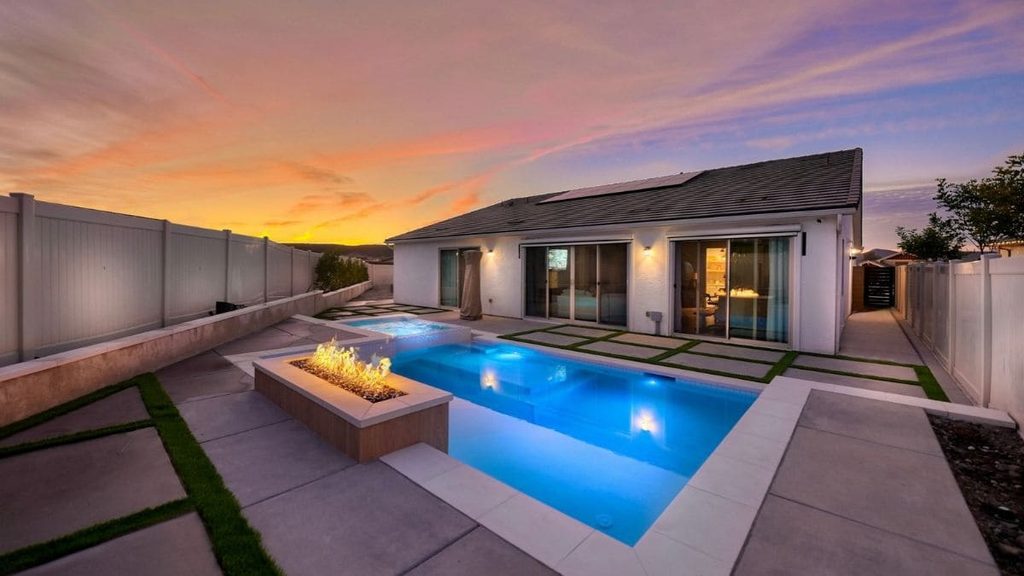
The right pool features can make a home more attractive to buyers. The goal is to create a pool area that looks great, works well, and is easy to maintain.
- Simple, timeless shape: Classic pool designs are more appealing to a wider range of buyers and are less likely to look outdated.
- Spa or hot tub: A built-in spa adds comfort and can make the pool area more useful beyond the swimming season.
- Tanning ledge: A shallow lounging area is a popular feature for relaxing, sunbathing, and families with children.
- Energy-efficient equipment: Modern pumps, heaters, and filtration systems can help reduce operating costs and appeal to cost-conscious buyers.
- Automation: Smart controls for lighting, temperature, and cleaning systems make pool ownership more convenient.
- Upgraded decking material: Choosing pavers, stamped concrete, or natural stone over basic concrete improves the overall appearance and creates a comfortable outdoor living area.
- Layered lighting design: Combining pool lighting with landscape lighting improves safety while making the backyard more inviting for evening use.
- Safety features: Fencing, covers, proper access areas, and other safety features can help address buyer concerns.
- Attractive landscaping: Plants, privacy features, and well-planned greenery help the pool feel like part of a finished backyard design.
- Easy maintenance setup: Features that simplify cleaning and upkeep can make the pool more appealing to buyers seeking enjoyment without excessive upkeep.
Build a Pool That Pays Off
We’ll help you choose features that boost appeal without overbuilding.
Features That Can Hurt Resale Appeal
Not every pool feature adds value. Some designs can make a home less appealing if they create extra maintenance, reduce backyard usability, or limit buyer preferences.
- Overly custom shapes that limit buyer taste: Unique designs may look impressive, but highly personalized pools can make it harder for some buyers to picture themselves using the space.
- Too little usable patio space: A pool should not take up the entire backyard. Buyers still want room for seating, dining, entertaining, and outdoor activities.
- Poor drainage: Water issues around the pool area can lead to damage, maintenance problems, and buyer concerns during inspections.
- Dated tile or coping: Worn finishes can make the pool look old and may cause buyers to expect expensive updates.
- Old equipment: Aging pumps, filters, and heaters can become a concern because buyers may have to replace them soon after moving in.
- No shade: A pool area without shade can feel less comfortable, especially in hot climates where outdoor living is a major selling point.
- No safety planning: Missing safety features can worry buyers, especially families with young children.
- High-maintenance water features: Complex waterfalls, fountains, or decorative features can add cleaning and repair needs without adding enough value for every buyer.
Is a Pool Worth It If It Does Not Pay for Itself?
A pool is not only a financial investment. It is also an investment in how you use your home every day.
While an inground pool may not recover the full installation cost when you sell, it can provide years of value through:
- Family time and outdoor activities
- A space for entertaining guests
- A place to relax at home
- A more enjoyable backyard lifestyle
For many homeowners, the best reason to build a pool is that they will actually use it. Morning swims, weekend gatherings, and relaxing by the water can add value that does not show up on a resale estimate.
A pool should support your decision to enjoy your home, not be built only for a future sale. Our guide to whether an inground pool is worth it works through that decision in more detail. If you plan to stay in the property for several years and will use the space often, the lifestyle benefits can make the investment worthwhile.
If you get years of daily use out of it, the pool has already done its job. Whatever it adds to the sale price is a bonus.
How to Maximize Your Pool’s Value Before Selling
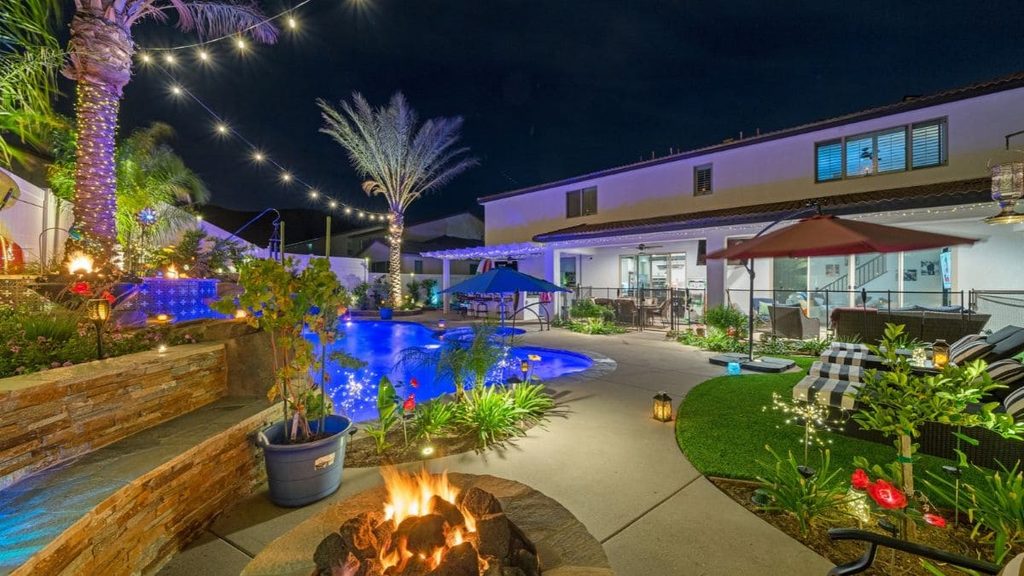
A well-maintained pool creates a better first impression and helps buyers see it as a benefit instead of a future expense. Before listing your home, focus on making the pool area clean, functional, and move-in ready.
- Keep the pool spotless: Clear water and a clean pool area make the space feel inviting and well cared for.
- Repair cracks, stains, or damaged coping: Fix visible issues that could make buyers worry about costly repairs.
- Add or update outdated lighting: Modern pool and landscape lighting can enhance the backyard’s appearance and make the space more appealing.
- Service equipment 30 to 60 days before listing: Make sure pumps, filters, heaters, and other systems are working properly before inspections, and build in enough time for parts or scheduling if repairs are needed.
- Stage the pool area with clean furniture: Add comfortable outdoor seating to help buyers picture themselves using the space.
- Trim landscaping: Keep plants, grass, and surrounding areas neat so the pool feels like part of a finished backyard.
- Keep safety features visible and functional: Make sure fencing, covers, gates, and other safety features are in good condition.
- Have maintenance records ready: Providing service history shows buyers that the pool has been properly cared for.
Getting Ready to List Your Home?
We’ll help you get your pool inspection-ready and buyer appealing.
Questions to Ask Before Building for Resale Value
Before adding an inground pool, consider how it will affect your home’s future value and your long-term enjoyment.
- Are pools common in my neighborhood? Check nearby homes before building. If many properties have pools, buyers may expect this feature and see it as part of the neighborhood lifestyle.
- How long do I plan to stay in this home? Think about how many years you will enjoy the pool before selling. The longer you use it, the more value you get from the experience, not just the resale return.
- Will this design appeal to future buyers? Choose a pool design that is attractive and functional for a wide range of homeowners. Avoid overly customized designs that may limit buyer interest.
- Can I afford annual maintenance? Consider ongoing costs like cleaning, chemicals, repairs, equipment service, and energy use. A pool should fit your budget long after installation.
- Will the pool leave enough yard space? Make sure the pool does not take over the entire backyard. Buyers still want room for seating, landscaping, entertaining, and outdoor activities.
- Will the pool match the home’s value? The pool should fit the property’s size, style, and price range. A pool that feels out of place may not provide the return you expect.
- What features will make it easier to maintain? Consider features like automation, energy-efficient equipment, durable materials, and simple designs. Low-maintenance pools are more appealing to future buyers.
FAQs
How much does an inground pool increase home value?
At most about 7%, according to HouseLogic, and only when conditions line up: a higher-end neighborhood where most homes have pools, a warm climate, a lot big enough to keep yard space, and a newer, well-kept pool.
Should I add a pool right before selling?
Usually not. In NAR’s 2023 Remodeling Impact Report, only 1% of Realtors recommended adding an inground pool before selling. You’d pay full price for the build and recover about half, without the years of use that make it worthwhile.
Is a pool a good investment for resale?
As a pure resale play, rarely, since sellers recover about 56% of the cost. As something you’ll use, often: homeowners who added an inground pool gave it a Joy Score of 10 out of 10 in NAR’s 2023 report, the highest possible.
What type of pool adds the most value?
A durable one. Gunite shells last 50+ years with proper maintenance and fiberglass shells 25 to 30+ years, while vinyl liners need replacing every 7 to 10 years. Buyers may see an aging liner as an expense they’ll inherit. Compare pool types.
What does a pool cost to keep up each year?
About $1,500 to $6,000 a year overall. By type, gunite runs about $2,000 to $4,000, fiberglass $1,000 to $2,000, and vinyl $1,200 to $2,500. Buyers weigh these costs too, so see our pool maintenance cost guide.
What safety features does a new pool need?
It depends on the state. Florida requires at least one of five features, such as a barrier, an approved safety cover, or exit alarms, to pass final inspection. California requires at least two of seven. Code-compliant safety features also reassure buyers with young children.
Build a Pool You’ll Actually Use
The pools that hold their value are the ones designed for how you live. Our builders complete more than 1,100 luxury pools a year across 11 markets in 7 states. Find the builder in your market to plan one that fits your home and your neighborhood.
Get a Free Pool Design Consultation
Build a pool you’ll enjoy now and one that holds its value later.