If you want the longest-lasting inground pool, gunite (concrete) is the clear winner because its steel-reinforced concrete shell can last 50 years or more with proper maintenance.
If your priority is lower maintenance instead of maximum lifespan, a fiberglass pool is the better long-term choice thanks to its smooth surface, easier upkeep, and fewer major maintenance tasks.
The right pool depends on how you plan to use it and how much maintenance you’re willing to take on. This guide compares gunite, fiberglass, and vinyl liner so you can pick the best fit for your home.
The Short Answer: Gunite Lasts Longest, But There’s a Catch
If you want the longest-lasting inground pool, gunite (concrete) is the top choice. A properly built gunite pool can last 50 years or more, and its concrete shell can be repaired rather than replaced, giving it an exceptionally long service life.
The trade-off is maintenance. Gunite pools need resurfacing every 10 to 15 years and require more regular cleaning than fiberglass or vinyl pools, so they’re best for homeowners who value longevity over low upkeep.
Here’s a quick comparison of the three main types of inground pools:
| Inground Pool Type | Structural Lifespan | Major Maintenance Cycle | Best For |
| Gunite / Concrete | 50+ years | Resurface the interior every 10 to 15 years | Homeowners who want the longest-lasting, fully custom pool |
| Fiberglass | 25 to 30 years typically; quality shells from established manufacturers last longer | Occasional gelcoat refinishing after decades, if needed | Owners who want low maintenance and fast installation |
| Vinyl Liner | 20 to 30+ years (pool structure) | Replace the vinyl liner every 7 to 10 years | Buyers looking for the lowest upfront cost |
Before choosing a pool, ask yourself one simple question: Do you want the pool that lasts the longest, or the one that’s easiest to own? Your answer will point you toward the right material long before you start comparing quotes.
Not Sure Which Pool Will Last the Longest?
Compare gunite, fiberglass, and vinyl pools based on your budget, maintenance preferences, and long-term goals.
What “Lasts Longest” Really Means?
When people ask which inground pool lasts the longest, they usually picture the whole pool as one thing. In reality, every pool has two separate lifespans: the structural shell underneath, and the surface or liner on top. These wear out at very different rates, and mixing the two up is where most of the confusion about pool lifespan actually comes from.
Gunite (concrete): The steel-reinforced shell can last 50 years or more, but the plaster or pebble finish on top of it doesn’t. Expect to resurface every 10 to 20 years, depending on the finish. Resurfacing is routine maintenance that protects the shell, not a sign anything’s failing.
Fiberglass: The one-piece shell typically lasts 25 to 30 years, and some manufacturers rate their shells for 50 years or more. There’s no separate finish to replace, but the gel coat surface can fade or dull with age even while the shell itself stays structurally sound. Correct installation matters more here than with any other pool type, since a fiberglass shell has little forgiveness for a poor base or backfill.
Vinyl liner: The steel or polymer wall structure can last for decades, but the liner itself is a planned replacement item, typically every 7 to 10 years. Replacing the liner on schedule is what keeps the rest of the pool in service long-term, not a sign of a failing pool.
Don’t judge a pool’s lifespan by the shell alone. Poor water chemistry can damage concrete finishes, fiberglass surfaces, vinyl liners, and pool equipment. Keeping the water balanced is one of the simplest ways to protect your investment for years to come.
Lifespan Ranking by Inground Pool Type
Ranking the three main pool types by structural longevity, here’s how they stack up when durability is your top priority.
| Rank | Pool Type | Why |
|---|---|---|
| 1 | Gunite | Longest structural life of any pool type, and the most design flexibility for a custom or long-term build |
| 2 | Fiberglass | Long-lasting shell with the lowest ongoing maintenance of the three |
| 3 | Vinyl liner | Shortest replacement cycle, but the lowest upfront cost by a wide margin |
If your goal is the longest-lasting inground pool, gunite is the clear winner. If you want long-lasting, low-maintenance performance, fiberglass is an excellent alternative, while vinyl remains the most budget-friendly option but requires more frequent liner replacements.
Choose the Right Pool for Your Lifestyle
Our experts will help you compare pool types and recommend the best option for your home and backyard.
Gunite Pools (Best for Long-Term Custom Build)
Gunite pools rank among the most durable because they are built with a steel-reinforced concrete shell. This strong foundation can last 50 years or more when it’s properly maintained, making it the longest-lasting inground pool option.
It is important to ask, what type rebar and the thickness of your gunite walls will be from your builder, as this can make a big difference. Many builders will try to use small rebar and thinner walls to save money, so be aware of this when reviewing your quotes.
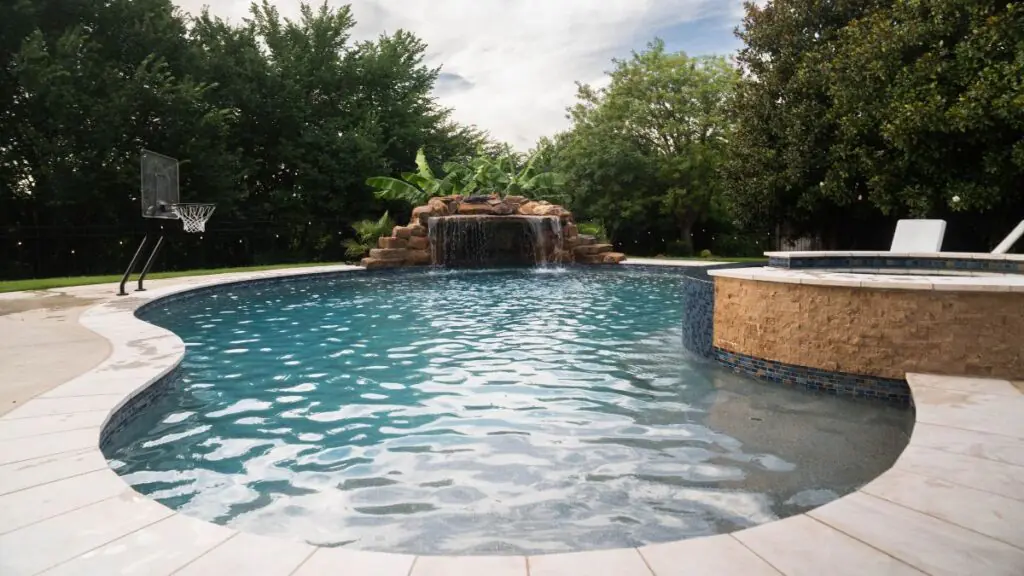
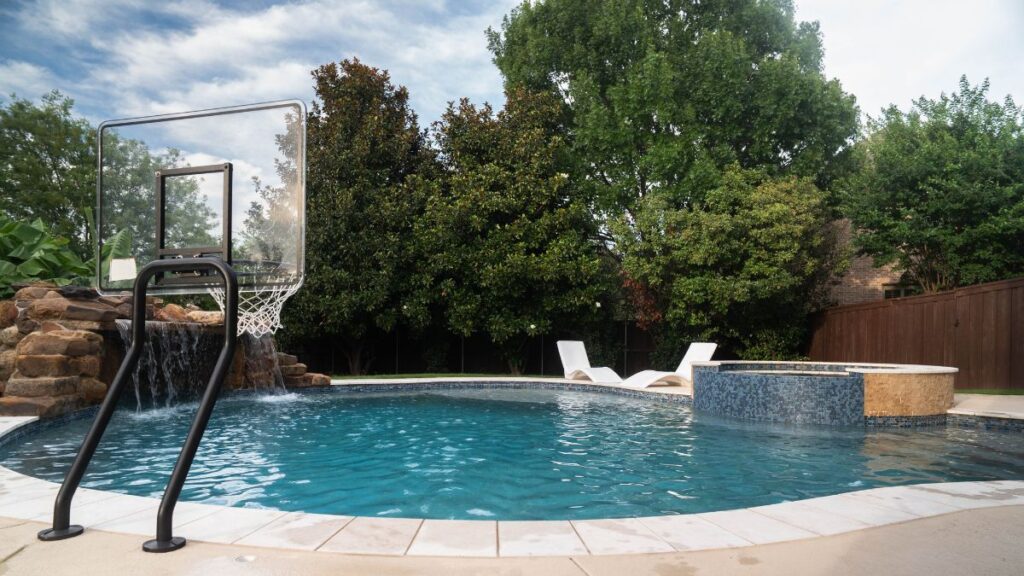
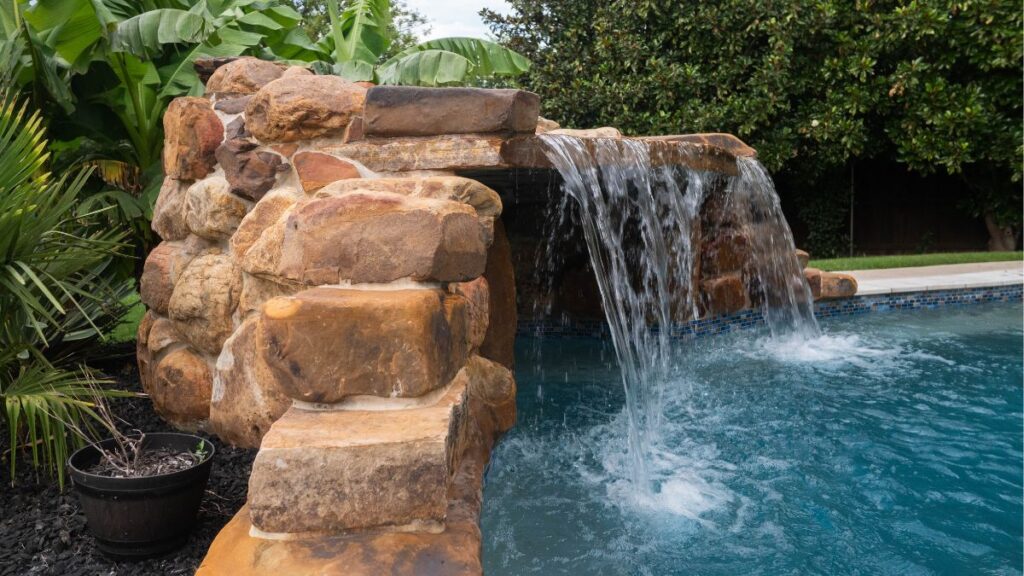
Another advantage is design flexibility. You can build almost any shape, depth, or layout, making gunite the best choice for luxury features like tanning ledges, beach entries, spas, waterfalls, and infinity edges.
One reason gunite lasts so long is that you don’t replace the entire pool when the surface wears out. Instead, you resurface the plaster or pebble finish every 10 to 15 years, allowing the concrete shell to remain in service for decades.
The trade-off is that gunite requires more hands-on maintenance than fiberglass. You’ll spend more time brushing the pool, monitoring water chemistry, and planning for resurfacing, but many homeowners find the longer lifespan and custom design options well worth the extra effort.
Fiberglass Pools (Long-Lasting With Less Maintenance)
Most fiberglass pools have a shorter typical lifespan than gunite, though shells from top manufacturers can last just as long. Where fiberglass really wins is maintenance: their smooth, non-porous surface resists algae, so you’ll spend less time brushing and use fewer chemicals to keep the water clean.
Unlike vinyl pools, fiberglass pools don’t require a liner replacement. The one-piece shell also speeds installation, so your pool can be ready much sooner than a gunite pool.
The biggest drawback is more limited design options than gunite. Fiberglass pools are made in set shapes and sizes, so they can’t be fully customized like gunite pools.
A fiberglass pool will only last if it’s installed correctly. Poor site preparation, improper backfilling, or improper groundwater management can cause the shell to shift or crack over time, leading to expensive repairs. On the plus side, fiberglass’s flexibility makes it more resistant to freeze-thaw damage than concrete, though that resistance won’t make up for a poor installation.
Vinyl Liner Inground Pools (Lower Upfront Cost, Shorter Surface Life)
Vinyl liner pools are a great choice if keeping the initial cost down is your top priority. They also have a smooth, comfortable surface and can be built in a wide range of shapes and sizes, giving you more design flexibility than fiberglass.
The biggest trade-off is the liner itself. While the pool structure can last for decades, the vinyl liner will need to be replaced every 7 to 10 years as part of normal ownership. In addition, if you have groundwater issues in your area, it can cause the liner to wrinkle over time, as the water will push up and down through the vermiculite base.
Over time, the liner can fade, wrinkle, tear, or become punctured from sharp objects or everyday wear. Replacing the liner restores the pool without rebuilding the entire structure, making it a predictable maintenance expense.
What Shortens the Life of Any Inground Pool?
The pool material is only part of the equation. Expensive pools sometimes fail early, and budget pools sometimes last for decades, because the difference often comes down to how they’re installed and maintained.
- Poor installation: A weak foundation, improper backfilling, or poor drainage can lead to settling, cracks, leaks, or shifting, all of which are difficult and expensive to repair.
- Unbalanced water chemistry: Water that’s too acidic or too alkaline can damage plaster, stain fiberglass, weaken vinyl liners, and wear out pumps, heaters, and other equipment.
- Skipping routine maintenance: Ignoring small cracks, leaks, or equipment problems can let minor issues grow into major repairs. Regular inspections help catch problems before they become costly.
- Poor drainage around the pool: Water collecting around the pool can put pressure on the structure, wash away supporting soil, and increase the risk of movement over time.
- Heavy impacts and sharp objects: Dropping heavy items into the pool or dragging sharp furniture and tools across the surface can chip finishes or puncture vinyl liners.
- Delaying planned repairs: Waiting too long to resurface a gunite pool or replace a worn vinyl liner can expose the underlying structure to additional damage and increase repair costs.
The best way to extend the life of any inground pool is simple: start with quality installation, keep the water balanced, and fix small problems before they become major ones. Those three steps will do more for your pool’s lifespan than choosing one material over another.
Protect Your Pool Investment
From expert installation to long-term maintenance planning, we’ll help you build a pool designed to last for decades.
Climate Factors That Affect Inground Pool Lifespan
Even the best-built inground pool has to handle the local climate. Plan for these regional conditions before choosing a pool type and maintenance routine.
Florida: Intense sun and year-round heat can fade finishes and increase chemical use. High water tables, coastal salt air, and storm conditions also make proper drainage and professional installation especially important.
Virginia and North Carolina: Freeze-thaw cycles put extra stress on pool surfaces and plumbing in Virginia, so correctly closing and winterizing the pool each year helps prevent cracks, burst pipes, and costly spring repairs. In North Carolina, clay soil expands when wet and shrinks as it dries, which can put pressure on the pool over time, so good drainage and proper soil preparation matter.
South Carolina: Coastal areas deal with salt air, sandy soil, and tropical storms that can affect pool components and surrounding structures. Strong drainage, erosion control, and routine cleaning after storms help extend the pool’s lifespan.
Texas: Clay soil and occasional high water tables can shift the ground beneath the pool over time, so proper site prep and drainage matter as much here as material choice. Intense summer heat also accelerates chemical use and surface fading, similar to Florida.
Arizona: Extreme heat and dry conditions fade finishes and stress plumbing seals, while caliche or rocky soil in parts of the state can complicate excavation and long-term stability. Chlorine and other chemicals also evaporate faster in low humidity, so water balance needs closer attention.
California: Sloped lots are common in many markets, increasing the risk of ground movement affecting the pool structure over time. Seismic activity is also a real factor in parts of the state, worth discussing with your builder regardless of pool type.
Which Pool Type Lasts Longest for Your Situation?
The longest-lasting pool isn’t always the best choice for every homeowner. Your budget, maintenance expectations, how long you plan to stay in the home, and the features you want all play a role in choosing the right pool.
This table matches common homeowner goals with the pool type that fits best, based on lifespan, maintenance, and cost together.
| Homeowner Situation | Best Fit |
| I want a forever pool with a fully custom design (vanishing edge, spa, complex shape) | Gunite |
| I want strong durability with the least ongoing maintenance | Fiberglass |
| I want the lowest upfront price | Vinyl liner |
| I want a smooth surface that’s gentle on kids | Fiberglass or vinyl |
| I plan to sell within 5 to 7 years | Fiberglass (vinyl works, but check where the liner’s replacement cycle falls relative to your sale timeline) |
Final Takeaway: The Longest-Lasting Pool Is the One Built and Maintained Right
If you’re looking for the longest-lasting inground pool, gunite is the clear winner, as its concrete shell can last 50 years or more. Even so, the material is only part of the equation, because quality installation and regular maintenance play major roles in how long any pool lasts.
The best pool is the one that matches your budget, maintenance expectations, and long-term plans. Gunite offers maximum longevity, fiberglass provides easier ownership, and vinyl liner pools deliver a lower upfront cost with planned liner replacements.
Want a pool built to last as long as possible? Schedule a free consultation with your local pool team to talk through which pool type will hold up best for your climate.
FAQs
Does saltwater affect pool lifespan?
A saltwater pool can gradually wear on plaster finishes and corrode metal equipment over time, even with regular care. Proper bonding, corrosion-resistant equipment, and consistent water balancing significantly slow this process. Still, they don’t eliminate it, so saltwater systems require more attention than traditional chlorine pools.
Does pool size affect how long it lasts?
Not directly. A larger pool doesn’t inherently wear out faster than a smaller one of the same material and finish. What matters more is water chemistry, usage, and installation quality, factors that apply regardless of size.
Is it worth paying more upfront for a longer-lasting pool?
It depends on how long you plan to stay in the home. If you’re building a forever home, gunite’s higher upfront cost is usually worth it over decades of ownership. If you might sell within 5 to 10 years, the resale value difference rarely justifies the extra cost, and fiberglass or vinyl may make more financial sense.
Which pool type is best if I plan to sell within a few years?
Fiberglass is usually the safer bet. Vinyl works too, but check where the liner’s 7 to 10 year replacement cycle falls relative to your sale timeline, since a buyer inheriting a liner near the end of its life can affect negotiations.
Does a pool cover extend a pool’s lifespan?
Yes. A cover reduces UV exposure to the surface or finish, limits debris and chemical loss, and can meaningfully extend the time between resurfacing or liner replacement, regardless of pool type.
Can fiberglass or vinyl pools be resurfaced like gunite?
No, not in the traditional sense. Fiberglass shells don’t get resurfaced, since the gel coat is factory-applied; a worn shell gets refinished instead. Vinyl liners aren’t resurfaced either, they’re replaced entirely on their normal cycle. Gunite is the only pool type that goes through true resurfacing.
Ready to Build a Pool That Lasts?
We’ll help you choose the right pool type and provide a detailed, no-obligation estimate tailored to your property.