Pool enclosures for inground pools can cut cleaning time and make the pool usable for more of the year. But are they worth the cost for your specific pool and lifestyle?
The right answer depends on your climate, your budget, and what’s actually bothering you about your current setup, whether it’s bugs, sun, leaves, or a backyard that only works half the year.
Here is how to figure out which enclosure type fits, what it actually costs, and whether it’s the better move over a cover, shade structure, or leaving the pool open.
What Is an Inground Pool Enclosure?
An inground pool enclosure is a structure built around your pool to create a protected space. It helps keep out leaves, bugs, and debris, and, depending on the design, can extend the number of months a year the pool is actually usable.
Pool enclosures come in several styles and materials, so homeowners can choose one that fits their budget, climate, and pool use.
The right choice usually comes down to climate, how often you use the pool, and how much of the outdoor space you want to keep open.
Quick Answer: Are Pool Enclosures for Inground Pools Worth It?
Yes, pool enclosures can be worth the investment if you deal with bugs, leaves, harsh sun, frequent storms, or want a more comfortable outdoor living space. They reduce maintenance and make your pool easier to enjoy for more of the year.
However, an enclosure may not be the right choice if you prefer a completely open resort-style backyard, have a limited budget, or live in an area where it would not solve a major pool problem.
| Situation | Recommendation | Best Enclosure Type to Consider |
|---|---|---|
| Your pool constantly collects leaves, dirt, or insects. | Worth it | Screened enclosure |
| You want to swim more comfortably during hot, windy, or rainy weather. | Worth it | Polycarbonate or retractable enclosure |
| You want more privacy around your pool area. | Worth it | Glass or polycarbonate enclosure, or a screened enclosure paired with privacy panels or landscaping |
| You heat your pool and want to reduce heat loss. | Worth it | Polycarbonate or glass enclosure |
| You want your pool area to feel like an outdoor living room. | Worth it | Retractable or glass enclosure |
| You prefer a completely open, resort-style backyard. | Maybe not worth it | A pool cover may be a better fit |
| You are working with a tight budget. | Maybe not worth it | Portable or seasonal enclosure, or a quality pool cover |
| Your pool already stays clean with very little maintenance. | Maybe not worth it | No enclosure may be necessary |
Main Types of Pool Enclosures
Pool enclosures come in different styles, materials, and price ranges. The best option depends on what you want to improve, such as reducing pool maintenance, blocking insects, protecting against the weather, or creating a more comfortable outdoor space.
1. Screened Pool Enclosures
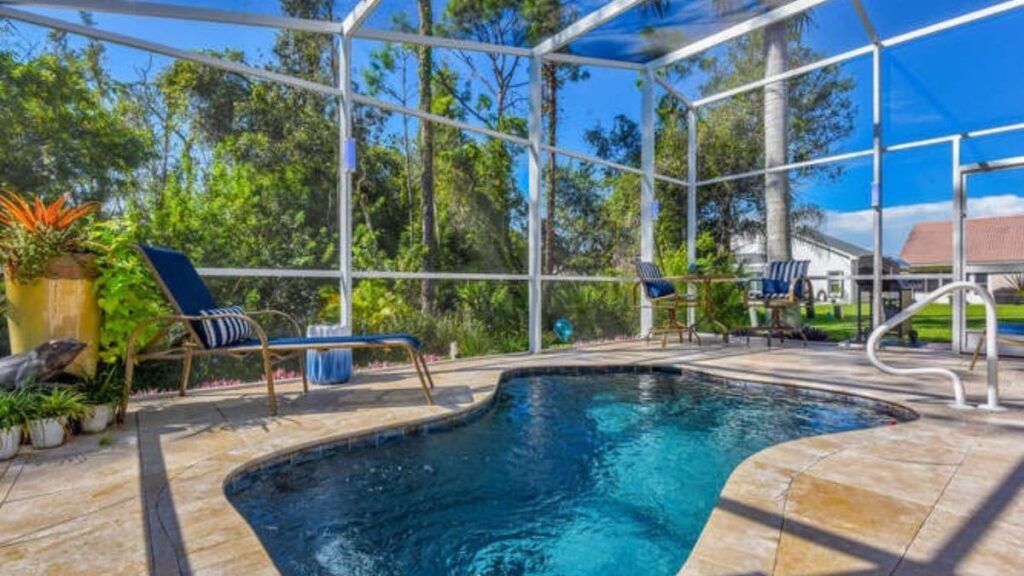
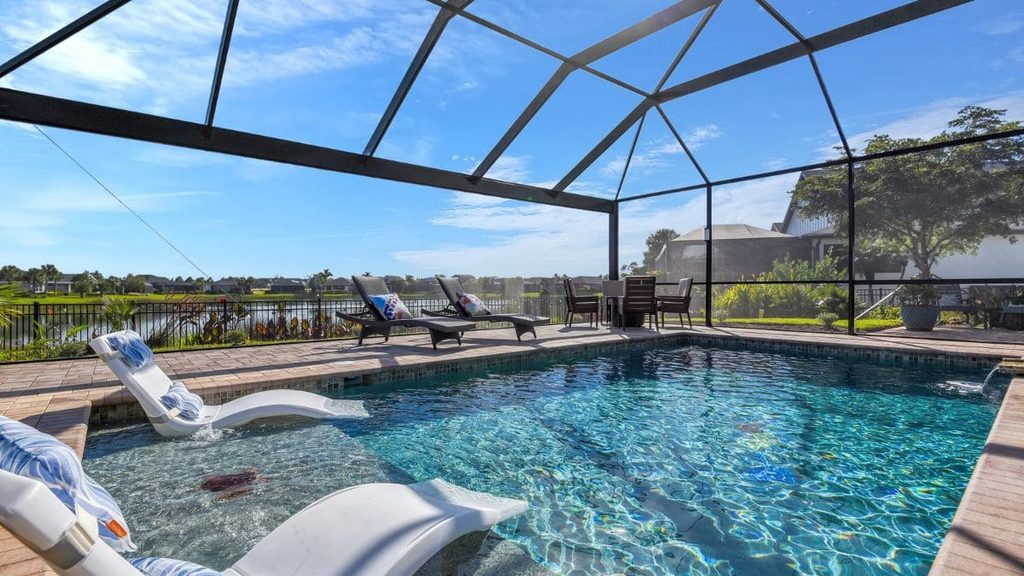
Screened enclosures are the most common type of inground pool enclosure, especially for homeowners who want better protection against bugs and debris. In our Fort Myers market, they’re very common.
They use aluminum frames with mesh screens that keep out mosquitoes, leaves, and dirt while still allowing airflow and natural light.
This option offers a good balance of protection and affordability. It helps reduce cleaning time without making the pool area feel completely enclosed.
Best for: Homeowners who want fewer insects, less debris, and a more comfortable pool area.
2. Polycarbonate Pool Enclosures
Polycarbonate enclosures are made of strong, lightweight panels that offer greater protection than screen materials. They help block wind, rain, and cooler temperatures while holding in more heat around the pool.
These enclosures are a practical choice for homeowners who want to swim more often and extend their pool season.
Best for: Weather protection, heat retention, and year-round pool use.
3. Glass Pool Enclosures
Glass enclosures are a premium option that creates a modern, open feel while protecting the pool area from the weather. The clear panels provide excellent views and allow natural light to pass through.
They are popular for luxury homes where the appearance of the backyard is just as important as the practical benefits.
Best for: High-end designs, clear views, and a seamless indoor-outdoor look.
4. Retractable Pool Enclosures
Retractable enclosures feature movable sections that can be opened or closed based on the weather. You can enjoy an open-air pool on nice days and close the enclosure during storms, wind, or cooler weather.
This flexibility makes them appealing to homeowners who want both outdoor freedom and extra protection.
Best for: Flexible pool use and homeowners who want an open or enclosed option.
5. Low-Profile Pool Enclosures
Low-profile enclosures are designed to sit close to the pool surface, creating a less noticeable structure in the backyard. They provide protection against debris while keeping sightlines open and the overall footprint minimal.
They are a good fit for homeowners who want the benefits of enclosure without a large structure around the pool.
Best for: Modern backyard designs, smaller spaces, and minimal visual impact.
6. Pool Domes and Seasonal Enclosures
These are temporary structures designed to cover the pool during certain times of the year. They are often made from lightweight materials and can be removed when they are no longer needed.
They offer a lower-cost way to protect the pool during colder months or specific seasons without installing a permanent structure.
Best for: Seasonal protection and homeowners looking for a temporary solution.
How Much Do Pool Enclosures Cost?
A full screen enclosure runs about $15,000 to $50,000, and glass, polycarbonate, and retractable systems usually cost more. It sits on top of your inground pool cost, not inside it. The final price depends on the size of your pool, the materials used, and the level of protection and customization you want.
| Type of Pool Enclosure | General Cost Range |
|---|---|
| Basic screen enclosure | Around $15,000 to $50,000, depending on size and framing |
| Glass or polycarbonate enclosure | More than a screen enclosure; get itemized quotes |
| Retractable or custom enclosure | Usually the highest; motorized systems cost the most |
These numbers are general estimates, not guaranteed local prices. A small backyard pool with a simple screen enclosure will cost far less than a large custom enclosure with glass panels, electrical features, and engineered supports.
Several factors can increase or decrease the total cost:
- Pool size: Larger pools need more framing, panels, and installation work.
- Deck area included: Enclosing the surrounding patio or outdoor living area adds material and labor costs.
- Enclosure height: Taller structures require more materials and stronger framing.
- Material: Screen, polycarbonate, and glass options have different price points and performance benefits.
- Roof shape: Simple roof designs cost less than custom shapes with architectural details.
- Wind or hurricane engineering: Areas with strict weather requirements may need reinforced designs and additional engineering.
- Doors: The number and style of access doors affect the final cost.
- Permits: Local permits, inspections, and approval requirements can add to the project budget.
- Lighting, fans, and electrical work: Adding ceiling fans, lighting, or other electrical features increases installation costs.
- Attachment to the house: Enclosures connected to the home often require additional planning and structural considerations.
Before choosing an enclosure, it helps to decide what problem you are trying to solve. A basic screen enclosure may be enough for reducing bugs and debris, while homeowners looking for year-round comfort or a luxury outdoor room may get more value from a higher-end system.
Not Sure What Your Enclosure Will Cost?
Get a quote based on your pool size, climate, and the features you want.
What Problems Does a Pool Enclosure Actually Solve?
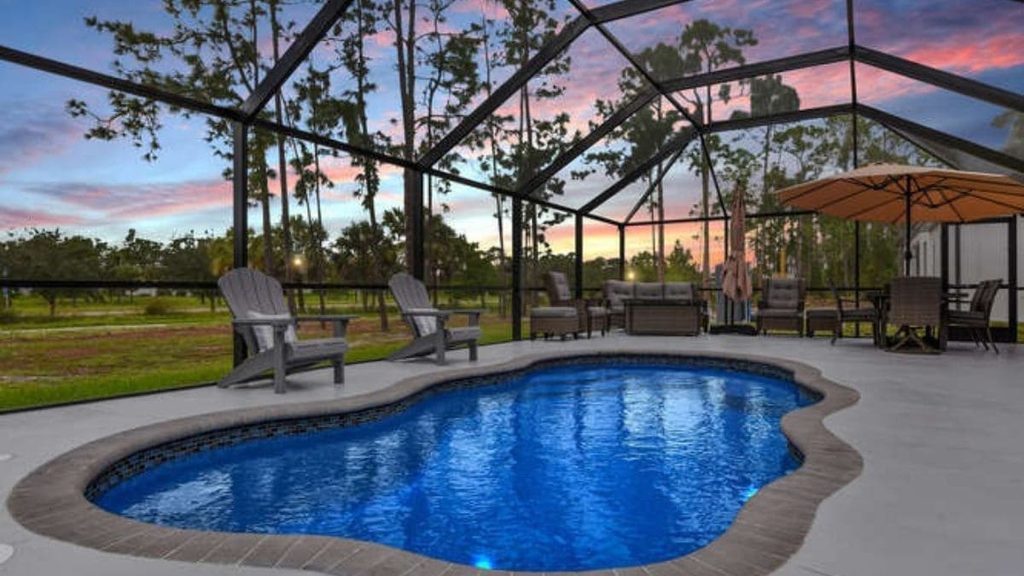
A pool enclosure solves many of the everyday problems that make pool ownership feel like a chore, from constant cleaning to uncomfortable weather conditions.
- Bugs and mosquitoes: A screened enclosure creates a barrier that keeps insects away from your pool area, making it easier to relax outside.
- Leaves and debris: Enclosures help block leaves, dirt, pollen, and other debris from getting into the pool, reducing the time spent skimming and cleaning.
- Harsh sun: The right enclosure can provide shade and reduce direct sun exposure, making the pool area more comfortable during hot afternoons.
- Wind: An enclosure helps block strong winds that can blow debris into the pool and make outdoor seating areas less enjoyable.
- Rain: Covered or enclosed designs allow you to use the pool area during light rain and better protect outdoor furniture and patio spaces.
- Privacy: Enclosures can create a more private backyard space by limiting visibility from neighbors and surrounding properties.
- Safety and security: A pool enclosure creates a physical barrier around the pool area, providing added protection for homes with children. It should not be assumed to meet local pool barrier requirements on its own, since that depends on the design and local code.
- Less cleaning: By keeping out debris and insects, enclosures reduce the maintenance required to keep the pool in good condition.
- Longer swim season: Some enclosure types help retain heat and protect against cooler weather, allowing you to enjoy the pool for more months of the year.
- More comfortable outdoor living: An enclosure can turn your pool area into a usable outdoor room for relaxing and dining.
- Better use of pool patio and dining space: A protected pool deck makes it easier to use outdoor seating, dining areas, and entertainment spaces without worrying as much about weather or pests.
What Are the Drawbacks?
Pool enclosures offer many benefits, but they also come with costs and limitations. Understanding the downsides helps you decide if an enclosure is the right investment for your backyard.
- High upfront cost: A pool enclosure can require a significant investment, especially for larger structures, premium materials, or custom designs.
- Changes the look of the backyard: An enclosure adds a visible structure around your pool, which may not match the open, natural feel some homeowners want.
- Permits and engineering may be required: Many areas require permits, inspections, or structural approval before installation, especially for large or weather-rated enclosures.
- Screens can tear: Screen materials can be damaged by storms, falling branches, or everyday wear and may need repairs or replacement over time.
- Glass and polycarbonate need cleaning: Solid panels provide better protection but require regular cleaning to maintain clear views and prevent buildup.
- Storm damage risk in some areas: Strong winds, hurricanes, or severe weather can damage certain enclosure designs if they are not properly engineered for local conditions.
- Repairs and rescreening over time: Frames, hardware, screens, and panels may need maintenance as the enclosure ages.
- Can trap humidity or heat: Poorly designed enclosures may hold in too much heat or moisture, making the pool area uncomfortable.
- May not replace required pool fencing: An enclosure does not automatically replace safety fencing requirements. Local building codes may still require a separate pool fence or approved safety barrier.
Best Pool Enclosure by Climate and Backyard Goal
The best pool enclosure is not the same for every homeowner. Your climate, backyard layout, and the problems you want to solve should guide your choice.
| Climate or Backyard Goal | Recommended Enclosure Option | Why It Works |
|---|---|---|
| Florida and the Gulf Coast | Screened enclosure with hurricane-rated framing and no-see-um mesh | Helps block mosquitoes, insects, and debris while allowing airflow. Stronger framing and tighter mesh provide better protection in storm-prone areas. |
| Hot desert climates | Well-ventilated screened enclosure paired with a shade roof or UV-rated panels | Provides airflow while the shade roof or UV-rated panels handle the direct sun and heat that screen mesh alone cannot block. |
| Cooler climates | Polycarbonate, glass, or retractable enclosure | Helps retain heat, blocks cold wind, and extends the swimming season by creating a more protected environment. |
| Leaf-heavy yards | Screen enclosure or low-profile enclosure | Reduces the amount of leaves, branches, and outdoor debris entering the pool, which cuts down on cleaning time. |
| Luxury backyard | Glass enclosure, retractable system, architectural screen enclosure, or custom structure | Creates a high-end outdoor living space with better views, premium finishes, and a design that complements the home. |
| Small backyard | Lean-to enclosure (attached to the house to save yard space) or low-profile enclosure | Uses less space and keeps the pool area functional without making the backyard feel crowded. |
| Privacy-focused yard | Screen enclosure with landscaping, privacy shades, or privacy panels | Adds separation from neighbors while still keeping the pool area comfortable and visually appealing. |
Find the Right Enclosure for Your Backyard
We’ll match the material and design to your climate and how you use your pool.
Will a Pool Enclosure Look Good Around a Luxury Inground Pool?
A pool enclosure can still look high-end when it is designed to match the rest of your backyard. The goal is to protect the pool while keeping the space open and connected to the home.
For luxury pools, focus on these design choices:
- Match the frame color to your home: Black or bronze frames often create a clean, modern look that works well with many home styles.
- Keep views open: Use designs with fewer visual barriers so you can still enjoy the pool, landscaping, and backyard views.
- Choose panoramic screen panels: Larger screen sections help the enclosure feel more open and less noticeable.
- Match the enclosure with your outdoor features: Make sure it works with your pavers, decking, lighting, landscaping, and outdoor kitchen.
- Make it part of the design: A pool enclosure should look like it was planned with the backyard, not added as an afterthought.
- Consider premium options for luxury homes: Retractable, glass, and polycarbonate enclosures often create a more polished look than standard pool cages.
Questions to Ask Before Installing a Pool Enclosure
Before choosing a pool enclosure, ask the right questions to make sure the design fits your backyard, climate, and long-term needs. Pair these with our general questions to ask a pool builder.
- What enclosure type fits my climate? Choose a design that handles your local weather conditions, whether you need more bug protection, shade, heat retention, or storm protection.
- Is the structure engineered for local wind or storm rules? Make sure the enclosure is built to handle the weather conditions in your area.
- Does it need a permit? Check local building requirements before installation to avoid delays or compliance issues.
- Can it attach to my home? An attached enclosure may create a better indoor-outdoor flow, but it requires proper planning and structural considerations.
- Will it satisfy any pool barrier requirements, or do I still need fencing? Do not assume an enclosure replaces required pool safety fencing. Confirm local code requirements first.
- What screen or panel material is best? Compare options based on durability, visibility, weather protection, and maintenance needs.
- How long should the screen or panels last? Ask about the expected lifespan of materials and what factors can shorten their durability.
- What maintenance is required? Understand cleaning needs, inspections, and routine upkeep before making a decision.
- What repairs are common? Ask about possible issues such as screen tears, hardware replacement, or panel damage.
- How will it affect airflow, heat, and sunlight? The design should keep the pool area comfortable without trapping too much heat or humidity.
- Can lighting, fans, or privacy panels be added? Plan for future upgrades if you want the enclosure to function as a complete outdoor living space.
Get Straight Answers Before You Commit
Permit, engineering, materials — we’ll walk you through it all upfront.
Is an Inground Pool Enclosure Right for You?
A pool enclosure is a smart investment for some homeowners, but it is not the right choice for every backyard. The best decision comes down to the problems you want to solve and how you use your pool.
A pool enclosure may be worth it if you:
- Hate dealing with bugs and leaves: An enclosure can reduce insects, debris, and the daily cleaning that comes with an open pool.
- Want less pool maintenance: Keeping dirt, pollen, and leaves out means less time spent cleaning and balancing the pool.
- Want shade or weather protection: An enclosure can make the pool area more comfortable during hot sun, wind, rain, or cooler weather.
- Want a more usable pool patio: A protected space makes it easier to relax and dine outdoors.
- Live in a bug-heavy, storm-prone, or leaf-heavy area: Enclosures provide more value in areas where weather and outdoor debris regularly affect pool use.
- Want to extend your swimming season: Glass, polycarbonate, and retractable options can help you enjoy the pool for more months of the year.
You may want to skip or reconsider an enclosure if you:
- Love a fully open pool design: An enclosure changes the look and feel of the backyard, which may not fit your vision.
- Prefer a completely unobstructed backyard: Even with premium design options, some homeowners simply want nothing built around the pool.
- Have a limited budget: The upfront cost may be better spent on other upgrades, such as landscaping, shade structures, or pool improvements.
- Do not have a major pool problem to solve: If bugs, debris, weather, and privacy are not issues, an enclosure may not provide enough value.
- Would rather invest in other solutions: A pool cover, landscaping, a pergola, or an outdoor shade area may meet your needs at a lower cost.
If several of these apply to you, it is worth getting a quote and comparing enclosure options against your specific yard and climate. If none do, your money is probably better spent elsewhere.
FAQs
Can a screen enclosure count as a pool barrier in Florida?
It can. Florida requires every new residential pool to have at least one of five safety features, such as a 4-foot barrier, a safety cover, or exit alarms. Naples, for example, accepts a screen enclosure as the barrier if it also meets the Florida Building Code.
Does a screen enclosure need a permit and engineering?
In Florida, yes. Naples, in our Fort Myers market, requires enclosures engineered for wind loads, with drawings signed and sealed by a Florida structural engineer or an approved engineering master on file. It also wants a site plan showing setbacks before it issues the permit.
Is a pool cover cheaper than an enclosure?
Much cheaper. Mesh covers run about $1,500 to $3,000 and automatic covers about $15,000 to $25,000, compared with $15,000 to $50,000 for a full screen enclosure. A cover keeps debris out while the pool is closed, though, and an enclosure keeps it out while you swim.
Does a screen enclosure help heat the pool?
Not much, since mesh lets air pass through. In Jacksonville, where January lows dip into the 40s, a cover does more for heating. The U.S. Department of Energy says pool covers can cut heating costs by roughly 50 to 70 percent.
Are screen enclosures common in Florida?
Very. In our Fort Myers market they’re close to universal, and in Jacksonville they’re common for keeping out debris and wildlife. Beachfront owners should plan extra time: Naples requires a separate Florida DEP field permit for work west of the Coastal Construction Control Line.
Do I need HOA approval for a pool enclosure?
Usually. An enclosure is tall and visible from neighboring lots, so most HOAs review it. Naples even tells applicants to check deed restrictions with their property owners association. Submit the enclosure with your pool approval package so one review covers both.
Plan the Enclosure With Your Pool
An enclosure is easier to get right when it’s designed alongside the pool. Our builders complete more than 1,100 luxury pools a year across 11 markets in 7 states, including Jacksonville and Fort Myers, where screen enclosures are part of everyday pool planning. Find the builder in your market to plan both together.
Get a Free Pool Enclosure Quote
Compare enclosures options built for your yard, climate, and budget.