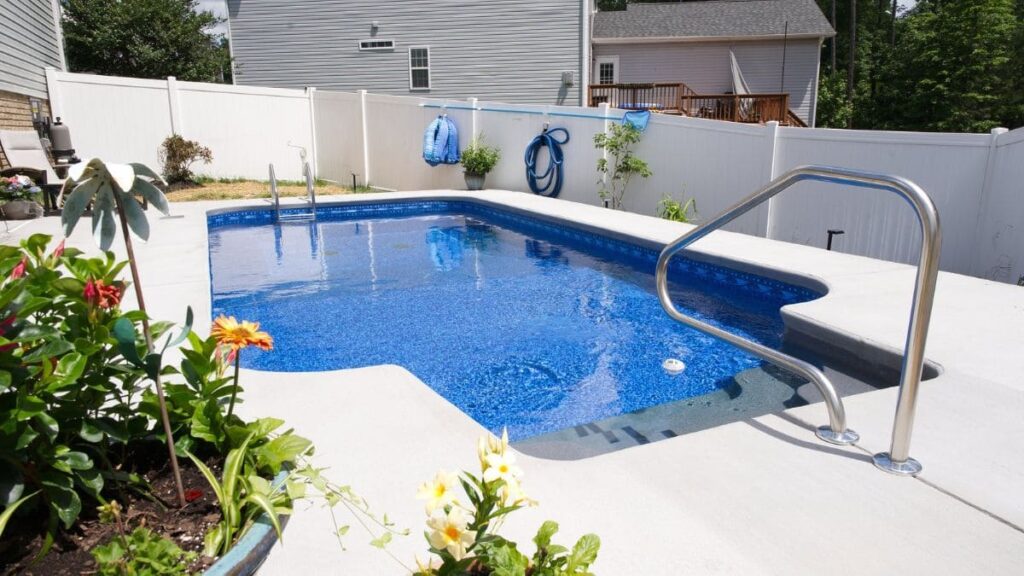
A vinyl liner inground pool costs about $40,000 to $90,000+ to install, making it one of the most affordable ways to add a custom inground pool to your backyard. The tradeoff is that the vinyl liner wears out and needs replacement about every 7 to 10 years, and each replacement costs several thousand dollars.
What Is a Vinyl Liner Inground Pool?
A vinyl liner inground pool is an inground pool built with steel, polymer, or aluminum walls and finished with a custom vinyl liner that holds the water.
The liner creates a smooth, comfortable swimming surface and comes in many colors and patterns.
Homeowners often choose this pool type because it offers more design flexibility than fiberglass at a lower upfront cost than concrete. The pool structure can last for decades, while the vinyl liner is replaced as it wears out.
Vinyl Liner Pool Cost
Vinyl liner pools are the most affordable inground pool option, with professionally installed projects generally costing $40,000 to $90,000+.
The final price increases with larger pool sizes, premium features, difficult excavation, and upgraded decking or equipment. Unlike fiberglass and concrete pools, the vinyl liner is a wear item that needs replacement about every 7 to 10 years, at several thousand dollars each time. Check our detailed blog on vinyl liner inground pool cost.
Factoring in this recurring expense gives you a more accurate picture of the pool’s long-term ownership cost. Routine upkeep on a vinyl liner pool runs about $100 to $210 a month, or $1,200 to $2,500 a year. See pool maintenance cost for the full breakdown.
Thinking About a Vinyl Liner Pool?
Get expert guidance on pool design, pricing, and the best options for your backyard.
How a Vinyl Liner Pool Is Built
A vinyl-liner pool is built in layers, with each layer serving a specific function. The wall system provides the pool’s strength, while the vinyl liner creates the waterproof surface that holds the water.
Because the liner is custom-made for the pool, accurate measurements and careful installation are essential. Even a small mistake during construction can lead to wrinkles, poor fit, leaks, or a shorter liner lifespan.
| Part | What It Does | Why It Matters |
|---|---|---|
| Wall panels | Form the pool’s structure and shape. | Strong, properly aligned walls keep the pool stable and support the liner. |
| Pool floor/base | Creates a smooth vermiculite or sand base beneath the liner. | A level base prevents bumps, low spots, and premature liner wear. |
| Vinyl liner | Holds the water and provides the finished interior surface. | A correctly sized liner fits tightly, looks better, and lasts longer. |
| Liner track | Secures the liner around the top edge of the pool. | A secure track keeps the liner in place and makes future replacements easier. |
| Steps, benches, tanning ledges | Add entry points and functional seating areas. | These features require precise liner measurements to avoid wrinkles and gaps. |
| Coping | Finishes the pool edge and locks the liner into the track. | Proper coping helps protect the liner and creates a clean, finished appearance. |
| Plumbing and fittings | Move water through the pump, filter, drains, skimmers, and returns. | Correctly sealed fittings help prevent leaks around the liner. |
Why Homeowners Choose Vinyl Liner Inground Pools
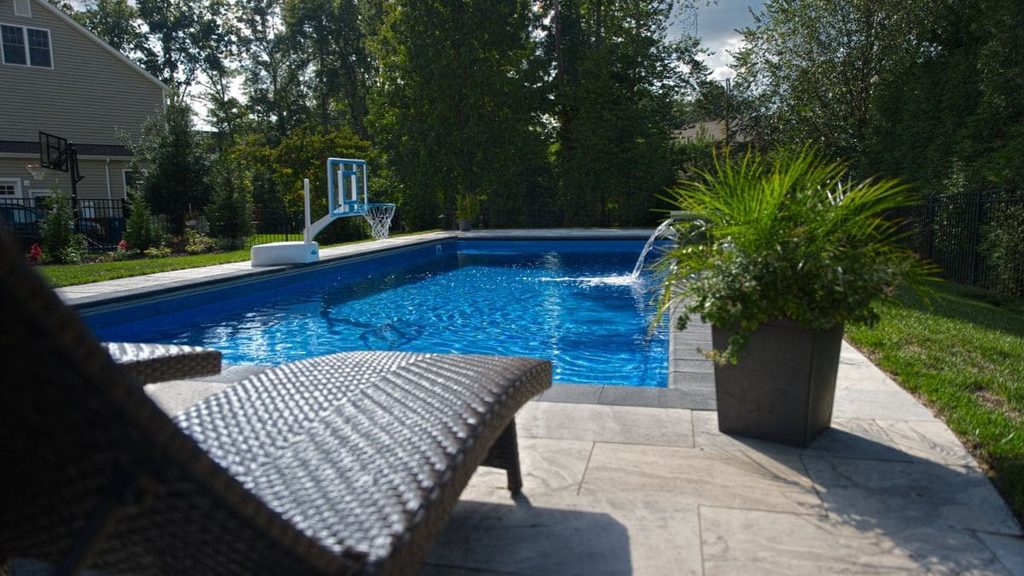
Many homeowners choose vinyl liner pools because they cost less upfront and still allow custom shapes.
Lower Upfront Cost
Vinyl liner pools cost less to install than most fiberglass and concrete inground pools, making them a popular choice for budget-conscious homeowners. The money saved upfront can often be used for upgrades like a heater or lighting.
Flexible Shapes and Sizes
Vinyl liner pools can be built in rectangular, freeform, kidney-shaped, and many custom layouts to fit your backyard. They also make it easier to add features such as built-in steps, benches, tanning ledges, and deep or shallow ends.
Smooth Surface
The vinyl liner creates a soft, smooth surface that is comfortable on bare feet and less abrasive than concrete. Its slick finish also makes routine cleaning easier because dirt and algae have fewer rough surfaces to cling to.
Faster Installation
Vinyl liner pools can often be completed sooner than concrete pools because they do not require the same curing process.
The Tradeoffs of a Vinyl Liner Pool
Vinyl liner pools provide great value, but they require maintenance that every homeowner should understand.
The biggest drawback is that the liner will need to be replaced about every 7 to 10 years. Sharp toys and tree branches can also puncture or tear the liner, and so can stiff cleaning brushes.
Poor water chemistry can fade and weaken the vinyl. Wrinkles can also develop from poor installation, water loss behind the liner, or groundwater pressure.
Vinyl liner pools can look more basic than concrete or fiberglass pools out of the box. Achieving a high-end look usually means paying extra for custom shapes, premium liner patterns, and upgraded landscaping, which narrows the cost gap with other pool types.
Compare Pool Type Before You Build
We’ll help you compare vinyl liner, fiberglass, and gunite pools to find the right investment.
How Long Does a Vinyl Inground Pool Liner Last?
Most vinyl inground pool liners last 7 to 10 years, making this the practical lifespan homeowners should plan for. Some liners fail sooner because of poor maintenance or damage, while high-quality liners with excellent care can last longer.
Several factors affect how long a liner lasts. Balanced water chemistry, proper winterization, quality installation, and a thicker liner all help extend its lifespan.
Sun exposure, frequent pool use, and regular waterline cleaning also play a role. UV fades vinyl over time, faster under the intense sun in markets like Phoenix, while oils, sunscreen, and mineral buildup can accelerate wear if left on.
Sharp pool toys and metal tools can puncture or scratch the liner, leading to repairs or early replacement.
Inground Vinyl Pool Liner Replacement: What to Expect
Replacing a vinyl pool liner follows a step-by-step process to ensure the new liner fits properly and lasts as long as possible.
- Measure the pool: Every wall, corner, slope, step, bench, and tanning ledge is measured to order a custom-fit liner.
- Choose the liner: Select the liner pattern and thickness based on budget and how hard the pool gets used.
- Drain the pool: Remove the water so the old liner can be safely removed.
- Remove the old liner: The installer removes the worn liner and prepares the pool for inspection.
- Inspect the pool structure: The walls, floor, steps, gaskets, and fittings are checked and repaired if needed before the new liner is installed.
- Install the new liner: The liner is secured into the track around the top of the pool.
- Vacuum-set the liner: A vacuum pulls the liner tightly against the walls and floor to remove air and minimize wrinkles before filling.
- Refill and balance the water: The pool is refilled, and the water chemistry is balanced to protect the new liner from day one.
- Warning: DIY liner replacement can lead to wrinkles, leaks, an improper fit, and warranty issues. Hire a professional installer.
Signs Your Vinyl Pool Liner Needs Replacing
A worn liner will not improve with age, and small problems often lead to expensive repairs if ignored. Watch for these signs that it’s time to plan for a replacement:
- Fading or brittle vinyl: Sun exposure and aging can fade the liner’s color and make the material stiff or fragile.
- Cracks or tears: Small cracks and rips can grow over time, increasing the risk of leaks.
- Frequent leaks: If you’re constantly adding water or patching the liner, replacement is often the better long-term solution.
- Wrinkles that keep returning: Persistent wrinkles may point to liner movement, water behind the liner, or an improper fit.
- Stains that do not clean off: Deep stains caused by age, minerals, or chemicals can become permanent.
- Liner pulling out of the track: A liner that slips out around the pool edge may have stretched or reached the end of its service life.
- Water loss: A noticeable drop in water level without excessive evaporation can indicate a leaking liner.
- Rough or stretched areas around steps and corners: These high-stress areas often wear out first and may signal that the liner is ready for replacement.
Start Planning Your Pool Project
Every pool is different. Get pricing tailored to your property and goals.
Vinyl Liner Thickness, Patterns, and Upgrades
Choosing the right liner involves more than picking a color. Thickness affects how long the liner lasts, and the pattern changes how the water looks.
Mil vs Gauge
Mil measures the actual thickness of the vinyl liner, with 1 mil equal to 0.001 inch. Some manufacturers also use the term “gauge,” so compare the actual liner thickness rather than relying on the name alone.
20 Mil vs 27 Mil Liners
A 20 mil liner is a good choice for many residential pools and offers a lower upfront cost. A 27-mil liner is thicker, resists punctures and wears better, and is a smart upgrade for pools that see frequent use.
Pattern and Water Color
The liner pattern does more than change the pool’s appearance. Light blue patterns create a bright, tropical water color, while darker blue, gray, and slate patterns give the water a deeper, more natural look.
Is a Vinyl Liner Pool Right for a Luxury Backyard?
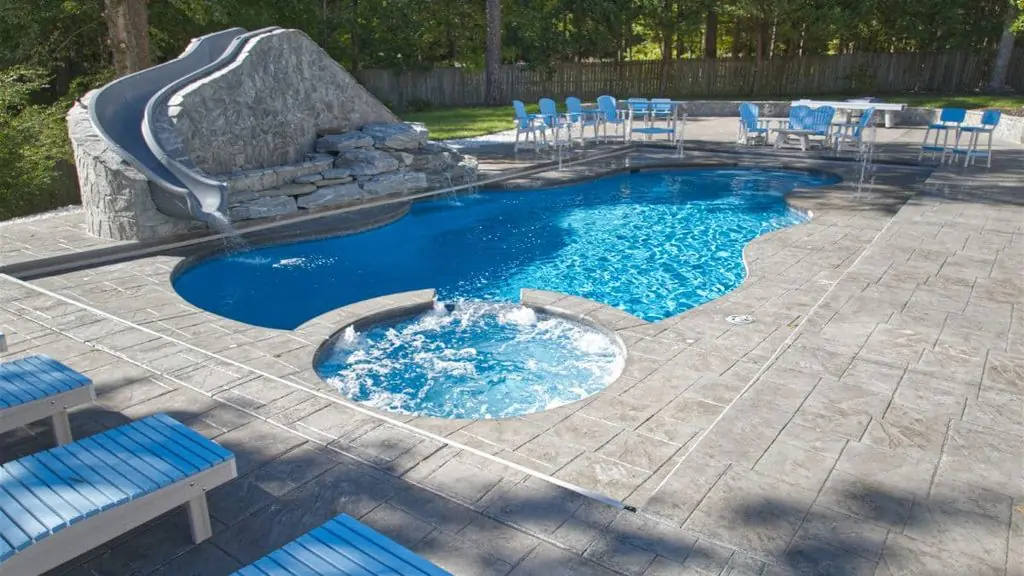
A vinyl liner pool can look right at home in a luxury backyard. Premium liner patterns, upgraded coping, lighting, decking, and landscaping create a polished, upscale appearance.
It also gives homeowners the freedom to build custom shapes and add features like wide entry steps and tanning ledges. This makes it a great choice for achieving a high-end look without the highest upfront cost.
A vinyl liner pool does not have the same fully custom finish as a gunite pool. The interior surface and design options are more limited than hand-finished concrete.
If your dream pool includes an infinity edge, a complex spa, or fully custom ledges, gunite is the better fit. It offers the design flexibility needed for the most advanced luxury pool projects.
How to Make a Vinyl Pool Liner Last Longer
A few simple maintenance habits can help you get more years out of your vinyl pool liner and reduce the chance of early replacement.
- Keep the water chemistry balanced to prevent fading and brittleness.
- Clean the waterline regularly to remove oils, sunscreen, and mineral buildup before stains develop.
- Use a soft vinyl-safe brush instead of stiff or abrasive cleaning tools.
- Keep sharp objects out of the pool, including pointed toys and metal tools.
- Trim nearby trees and shrubs to reduce the risk of branches damaging the liner.
- Maintain the proper water level so the liner stays supported and does not shift.
- Inspect the liner for small tears or loose areas and repair them before they become larger problems.
- Winterize the pool correctly if you live in a cold climate to protect the liner during the off-season.
- Schedule regular equipment inspections to catch leaks or plumbing issues before they affect the liner.
Questions to Ask Before Building a Vinyl Liner Pool
Before signing a pool contract, ask questions that reveal the real cost and the liner quality. Pair these with our general list of questions to ask a pool builder.
- What is included in the quoted price? Confirm excavation, walls, liner, plumbing, equipment, coping, permits, and cleanup.
- What liner thickness do you recommend? Ask whether a 20 mil or 27 mil liner makes more sense for your pool and expected use.
- Who measures the pool for the liner? Accurate measurements are critical for avoiding wrinkles, gaps, and poor fit.
- What is the liner warranty? Ask what the warranty covers and what could void it.
- What happens if the liner gets damaged? Find out whether small tears can be repaired and what replacement would cost.
- How will the pool be prepared before liner installation? Make sure the walls, floor, steps, gaskets, and fittings will be inspected first.
- What features can this liner system support? Ask about tanning ledges, benches, custom steps, lighting, and other design upgrades before construction begins.
- How long will installation take? Get a realistic construction schedule and ask what could cause delays.
- What maintenance will the liner require? Ask about water chemistry, cleaning, winterization, and protecting the liner from damage.
- What will future liner replacement cost? Ask for a current replacement quote and plan for a liner replacement every 7 to 10 years in your long-term budget.
FAQs
What is a vinyl liner inground pool?
It’s an inground pool with steel, polymer, or aluminum walls and a custom vinyl liner as the waterproof surface. On the coast, ask about polymer walls. They don’t rust, which matters in salt-air markets like Wilmington and Myrtle Beach.
How long does a vinyl inground pool liner last?
About 7 to 10 years for the liner itself. Compare that with fiberglass shells at 25 to 30+ years and gunite at 50+ years with proper maintenance. Over 30 years, a vinyl pool usually goes through three or four liners.
Is a vinyl liner pool cheaper to maintain?
It falls in the middle. Routine upkeep runs about $100 to $210 a month for vinyl, $85 to $170 for fiberglass, and $170 to $335 for gunite. Liner replacements every 7 to 10 years come on top of that.
Are vinyl liner pools cheaper than fiberglass or gunite?
Upfront, yes. National ranges run $40,000 to $90,000+ for vinyl, $50,000 to $175,000+ for fiberglass, and $50,000 to $200,000+ for gunite. The ranges overlap at the low end, so a simple fiberglass or gunite pool can price close to a well-equipped vinyl pool.
Can a vinyl liner pool be luxury?
It can look polished, but most luxury builders skip it. Most of our 11 markets don’t build vinyl at all. Our Corpus Christi builders say it plainly: vinyl liner pools are “not a fit for the luxury market.”
Can you drain a vinyl liner pool yourself?
It’s risky. With the water out, groundwater can push against the liner and shift or float it. That risk is higher in coastal areas with high water tables, like Fort Myers and Wilmington, so leave draining to a pro who checks groundwater first.
Can you repair a torn vinyl pool liner?
Yes, small tears and punctures in a vinyl pool liner can often be repaired with an underwater or dry vinyl patch. Repairs work best when the damage is limited, and the surrounding vinyl remains flexible. Widespread cracking, brittleness, repeated leaks, or severe stretching usually mean the liner needs replacement.
Compare Vinyl With Your Other Options
Not sure vinyl is the right fit? Our builders complete more than 1,100 luxury pools a year across 11 markets in 7 states, mostly concrete and fiberglass. Take the pool type quiz or find the builder in your market to compare.
Ready to Build Your Dream Backyard Pool?
From custom vinyl liner pool to complete luxury backyard designs, we’ll help you create the perfect outdoor space.