Adding shade to your inground pool does not mean sacrificing the backyard view. The right shade solution can keep your pool comfortable during hot days while keeping your sightlines open.
The trick is shading the spots people actually use, like the loungers, the tanning ledge, and the dining table, instead of roofing over the whole pool.
First, Decide Where You Actually Need Shade
Before adding any shade structure to your inground pool, look at how the space is actually used and match the solution to the specific problem you need to solve.
| Shade problem | Best options | What to avoid |
|---|---|---|
| Water feels too exposed | Cantilever umbrellas, shade sails positioned away from the pool edge, and partial pergolas that break up sightlines near the water | Covering the entire pool and making the space feel closed in |
| The tanning ledge gets too hot | Adjustable umbrellas, retractable shade covers, and lightweight shade sails | Permanent structures that block the open feel of the shallow area |
| Lounge chairs are unusable during peak sun | Cantilever umbrellas, movable pool umbrellas, and small pergola extensions | Placing shade too far away from where people actually sit |
| Dining area overheats | Pergolas with adjustable louvers, retractable patio shades, and larger shade structures | Small umbrellas that leave most of the table exposed |
| Kids need sun protection | Shade sails, covered play areas near the pool, and adjustable umbrellas | Relying on small umbrellas that need constant repositioning instead of fixed coverage |
| Afternoon sun hits one side | Side-mounted shades, targeted shade sails, and landscaping with carefully placed trees | Oversizing the structure to cover the afternoon sun and losing morning or evening sightlines in the process |
| Backyard view should stay open | Low-profile shade solutions, cantilever umbrellas, retractable systems | Tall walls, bulky roofs, or oversized structures that interrupt sightlines |
Top 15 Inground Pool Shade Ideas
The best pool shade solution is not always the biggest structure. The goal is to place shade where people spend time while keeping the pool, landscaping, and important views visible.
1. Cantilever Umbrellas Over Lounge Chairs
Cantilever umbrellas are one of the easiest ways to add shade without changing the entire look of your pool area. Because the support pole sits to the side, you get shade over your chairs without a post blocking the view.
They work well for:
- Poolside lounge chairs
- Conversation areas
- Small seating zones
Choose a model with a strong base and weather-resistant fabric. A lightweight umbrella may move too much in windy areas.
2. In-Pool Umbrellas for Tanning Ledges
A tanning ledge is designed for relaxing, but the shallow water can become uncomfortable under direct sunlight. An in-pool umbrella gives swimmers a shaded spot without adding a large structure around the pool.
This option works best when:
- The ledge is deep enough for an umbrella stand
- The pool design includes built-in umbrella sleeves
- You want a flexible shade that can be removed when not needed
Avoid placing too many umbrellas in the water. One or two well-positioned umbrellas usually look cleaner than covering the entire ledge.
3. Shade Sails Over Part of the Pool
Shade sails create a modern look while keeping the pool area feeling open. Their floating design provides coverage without the heavy appearance of a roof structure.
They are a good choice for:
- Contemporary homes
- Large pool decks
- Areas where you want partial shade
The key is placement. A shade sail should cover seating or lounging areas without cutting across your main view of the pool.
4. Pergola Beside the Pool
A pergola can create a comfortable outdoor room without enclosing the pool area. Placing it beside the pool instead of directly over it helps preserve the open feeling.
Pergolas work well for:
- Poolside seating
- Outdoor kitchens
- Dining areas
Use slim posts and an open design if protecting the view is a priority.
5. Louvered Pergola for Adjustable Sun Control
A louvered pergola gives you more control than a traditional pergola. The adjustable roof panels allow you to open the structure to let in sunlight or close it during the hottest part of the day.
Benefits include:
- Adjustable shade throughout the day
- Better protection from changing weather
- A clean, modern appearance
This option costs more than a fixed pergola, but it is a strong pick for homeowners who want a permanent structure without giving up flexibility.
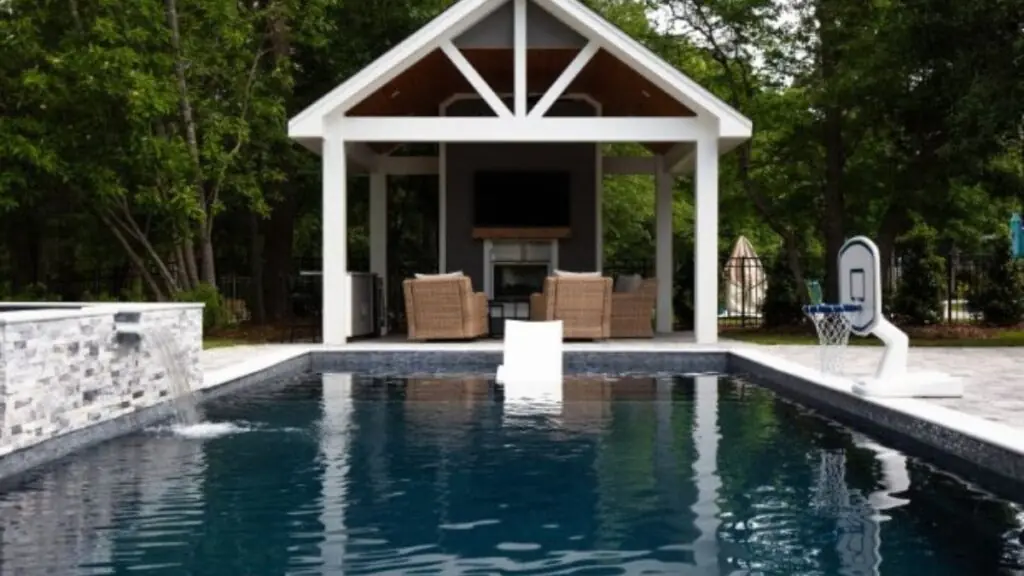
6. Pool Cabana for Resort-Style Shade
A pool cabana adds a luxury resort feel while creating a dedicated shaded retreat. It works especially well for larger backyards with enough space to keep the structure away from the pool’s main sightlines.
Common uses include:
- Lounge areas
- Outdoor serving counters
- Changing spaces
- Poolside relaxation zones
A cabana also takes more upkeep than a simple umbrella or sail, so factor maintenance into the decision, not just looks.
7. Covered Patio Facing the Pool
A covered patio can provide shade close to the house without a separate structure near the water. This is a practical choice for homeowners who spend more time relaxing near the house than sitting directly beside the pool.
It works well for:
- Outdoor dining
- Entertaining guests
- Everyday shade without extra yard structures
The roofline should complement the home and avoid blocking views from inside the house.
8. Retractable Awning
A retractable awning gives you shade when you need it and an open sky when you do not. This makes it a good choice for homeowners who do not want a permanent structure.
Best locations:
- Poolside patios
- Small seating areas
- Outdoor kitchens
Make sure the awning is installed securely, especially in areas with strong winds.
9. Pool House With a Shaded Porch
A pool house with a shaded porch adds storage and a shaded place to sit. The porch provides shade without placing a large cover directly over the pool.
It can include:
- Seating areas
- Bathrooms
- Storage
- Entertainment space
This is one of the more expensive options on this list, but it adds functional square footage beyond just shade.
10. Trees Planted Away From the Pool Edge
Trees can create natural shade while adding beauty to the backyard. The key is to plant them far enough away to reduce maintenance problems.
Good placement helps avoid:
- Excessive leaves in the pool
- Root issues near hardscaping
- Blocked views
Choose trees based on mature size, not how they look when newly planted.
11. Tall Palms or Columnar Trees
Tall, narrow trees can provide filtered shade without taking up much space. Because their canopy sits high and thin, they will not shade a wide area the way a broad-canopy tree does, but they add a tropical feel without crowding the pool.
They work well for:
- Pool borders
- Privacy areas
- Framing views
Avoid planting large trees directly beside the pool, where falling debris becomes a constant maintenance issue.
12. Shade Screen or Outdoor Curtain Panels
Outdoor curtains and shade screens can block harsh side sunlight while keeping the area open. They are useful when the main problem is low-angle afternoon sun.
They can be added to:
- Pergolas
- Cabanas
- Covered patios
Choose outdoor-rated materials that can handle moisture and sun exposure.
13. Screened Pool Enclosure
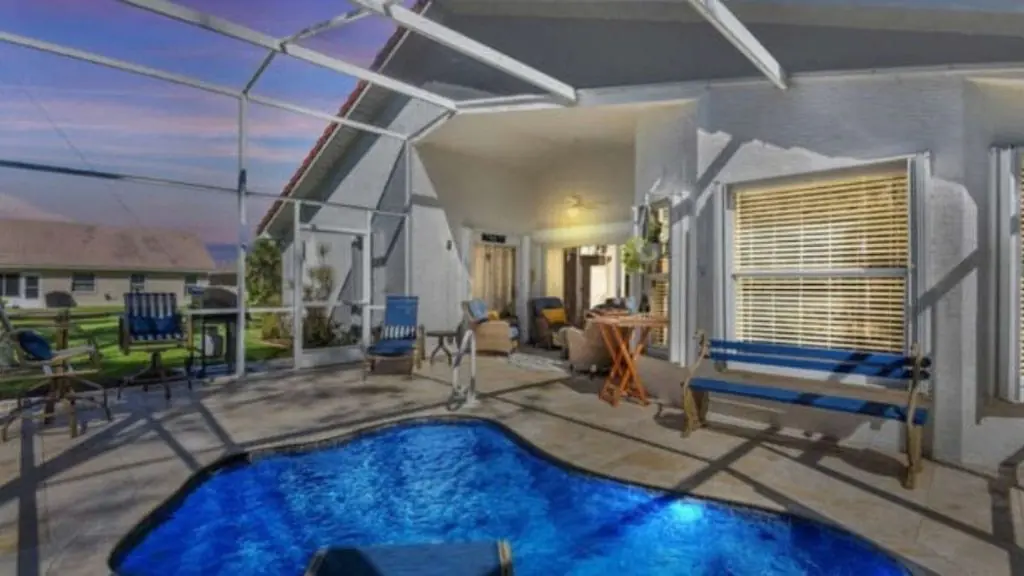
A screened enclosure provides shade, insect protection, and a more controlled outdoor environment. It is more common in areas with heavy insect populations, high humidity, or long outdoor seasons. In our Fort Myers market, they’re close to universal
Benefits include:
- Reduced debris
- Added comfort
- Protection from insects
However, a full enclosure changes the look of the pool, so it may not be the best choice when preserving an open view is the top priority.
14. Water Feature Wall With Partial Shade
A water feature wall can add visual interest while creating some shade when paired with nearby structures or landscaping.
This option works best when:
- You already want a design feature
- The pool needs a focal point
- Shade is needed in a specific area
It should be planned carefully so that the feature enhances the pool rather than making the space feel crowded.
15. Layered Shade Plan
The best pool shade designs often combine multiple solutions rather than relying on a single structure.
A layered approach may include:
- Umbrellas over lounge chairs
- A pergola near the dining area
- Trees for natural shade
- Retractable shades for flexibility
This gives you shade where people need it while keeping the overall backyard open and attractive.
Best Shade Option by Pool Area
The right shade solution depends on how each part of your pool is used. Instead of adding one large structure that covers everything, focus on shading the areas where people spend the most time while keeping the view open.
- Over the water: Shade sails, in-pool umbrellas, and partial canopies are good options for cooling swimmers without covering the entire pool. These solutions add relief from direct sun while keeping the surrounding landscaping and sightlines intact.
- Tanning ledge: Umbrella sleeves, ledge umbrellas, and cantilever shades help make shallow lounging areas more comfortable during hot afternoons. They provide targeted shade without changing the clean look of the pool design.
- Pool deck: Umbrellas, pergolas, and awnings work well for lounge chairs, seating areas, and spaces where people relax outside the water. The goal is to shade gathering spots without creating a structure that blocks the backyard view.
- Outdoor kitchen and dining area: Covered patios, pavilions, and pergolas provide consistent shade for cooking, eating, and entertaining, keeping the space usable throughout the hottest part of the day.
- Kids’ swim area: Partial shade sails, umbrellas, and a nearby cabana give children protection from direct sun while allowing parents to keep an eye on them. Avoid fully covering the area if visibility is important.
- Luxury lounging area: Cabana, louvered pergola, and pool house designs create a resort-style space for relaxing by the water. These options work best when placed beside the pool, where they add comfort without competing with the pool as the visual centerpiece.
Not Sure Which Shade Fits Your Pool?
From umbrellas to pergolas, we’ll match the option to how you actually use your space.
Permanent vs Flexible Pool Shade
Choosing between a permanent or flexible shade solution comes down to how you use your pool and how much flexibility you want throughout the year.
| Feature | Permanent Options | Flexible Options |
|---|---|---|
| Shade solutions | Pergola, pavilion/gazebo, pool house, cabana, screen enclosure, trees | Umbrellas, shade sails, retractable awnings, outdoor curtains, temporary canopies |
| Best for | Homeowners who want a long-term upgrade and a defined outdoor living space | Homeowners who want shade only when needed or who like to change their layout |
| Sun protection | Provides reliable, consistent shade | Can be adjusted or moved based on the sun’s position |
| View impact | Risks blocking views if oversized or poorly placed | Preserves views more easily since most options can be repositioned or removed |
| Flexibility | Low once installed | High, with the ability to move, retract, or store when not in use |
| Maintenance | Requires occasional cleaning and inspections, with trees also needing trimming | Most options need seasonal cleaning and may need to be stored during severe weather |
| Cost | Higher upfront investment | Lower upfront cost for most options |
| Lifespan | Long-lasting with proper maintenance | Varies by material and frequency of use |
| Ideal for | Luxury pools, outdoor kitchens, and permanent entertaining spaces | Lounge chairs, tanning ledges, seasonal shade, and smaller pool areas |
What to Consider Before Adding Shade Over an Inground Pool
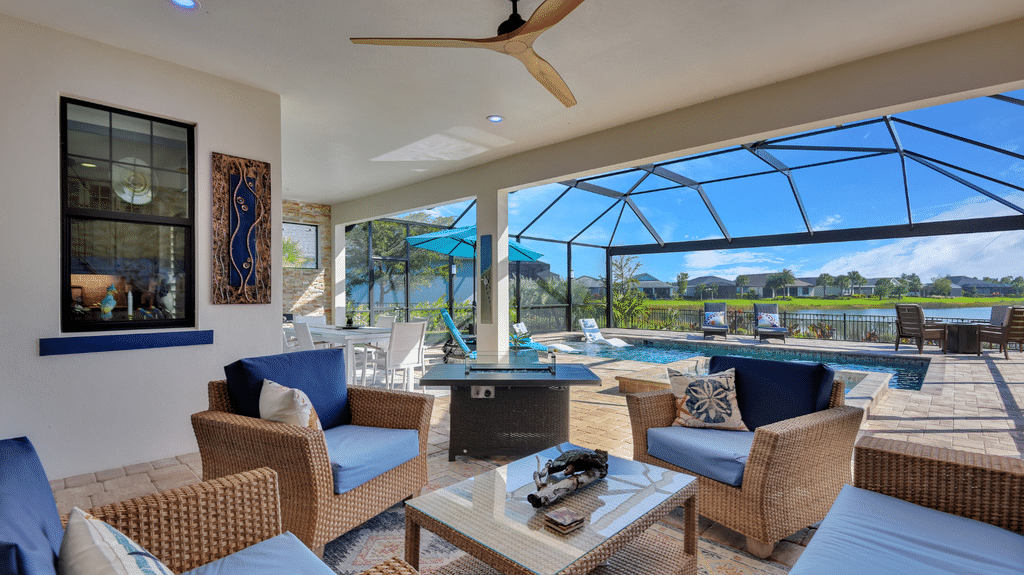
Before choosing a shade structure, consider how it will affect your pool, your backyard, and your use of the space. Run the permanent options past your builder using our questions to ask list.
- Sun direction: Note which side of the yard gets the strongest afternoon sun, usually the south or west-facing side, and place shade there for the most comfort.
- Wind: Choose shade structures that can handle the wind in your area. Strong winds can damage umbrellas and shade sails. Corpus Christi, for example, is one of the windiest parts of Texas, and along the Atlantic coast hurricane season runs June through November.
- Pool shape: Pick a shade option that fits your pool’s layout. Large structures may not look right over smaller or freeform pools.
- View lines: Make sure the shade doesn’t block your view of the pool, garden, or surrounding scenery.
- Pool setback distance: Structures with footings, such as pergolas or cabanas, typically require a minimum setback from the pool wall or coping. Check with your builder or local code before finalizing placement.
- HOA rules: Check your HOA guidelines before installing a permanent structure.
- Local permits: Pergolas, pavilions, and pool houses may require a building permit. In the Temecula area, patio covers need permits and sometimes go through a specialty contractor.
- Drainage: Make sure rainwater drains away from the pool and patio to prevent puddles.
- UV-resistant materials: Choose materials that won’t fade, crack, or wear out quickly in the sun.
- Chlorine or salt exposure: Use materials designed for pool areas that can withstand chlorine or saltwater without rusting or deteriorating.
- Maintenance: Some shade options need regular cleaning, inspections, or fabric replacement.
- Leaf drop: If you use trees for shade, plant them away from the pool to reduce leaves and debris in the water.
- Cooler seasons: Too much permanent shade can keep the pool cooler during spring and fall. Adjustable shade lets you enjoy more sunlight when temperatures drop.
Get It Right the First Time
We’ll account for permits, wind, drainage, and setbacks before you build.
Which Inground Pool Shade Idea Is Best for You?
If you are still deciding, start with what matters most to you. Here’s a simple way to match your needs with the right shade solution.
- Want the easiest fix? Choose a cantilever or patio umbrella. It’s affordable, easy to move, and doesn’t require installation.
- Want shade in the water? Install an in-pool umbrella on a tanning ledge or use a shade sail over part of the pool for relief from direct sun.
- Want a luxury look? A cabana, louvered pergola, or pool house creates a resort-style space that’s comfortable and visually impressive.
- Want a modern design? Go with shade sails or a slatted pergola. Both offer clean lines and keep the backyard feeling open.
- Want a natural look? Use trees and layered landscaping to create shade while blending with the rest of your yard.
- Want relief from bugs, too? A screened pool enclosure helps keep flying insects like mosquitoes and flies out of the pool area, though it won’t eliminate every pest.
- Want flexible shade? Choose a retractable awning or movable umbrellas so you can enjoy full sun or shade whenever you want.
FAQs
What is the best way to shade an inground pool?
Shade where people sit, not the whole pool. In Phoenix, where July highs average about 106°F, shaded loungers matter more than a roof over the water. Deck material counts too: travertine is the most popular decking there, and standard gray concrete is the least recommended because it gets hot.
Can you put a shade sail over an inground pool?
Yes, over part of it, as long as the posts sit in footings sized for your wind. In windy markets like Corpus Christi, or on the Atlantic coast during hurricane season, pick a sail you can take down quickly before a storm.
How do I shade a tanning ledge?
Plan the umbrella sleeve with the ledge, since it’s simplest to set during construction. In our Corpus Christi and Houston Northwest markets, a tanning ledge adds about $1,500 to $1,600, and it’s one of the most requested features in both.
Do trees make good pool shade?
Mature trees you already have are the fastest shade, so protect them during the build. Some Dallas–Fort Worth cities require an arborist plan to protect established trees during excavation. Ask your builder to map root zones before the dig.
Do pergolas and patio covers need a permit?
Often, yes. In the Temecula area, patio covers, retaining walls, and fire pits with gas lines all need permits. Our Temecula builders handle most structures on the pool permit, though patio covers sometimes go through a specialty contractor, so ask who pulls it.
Will shade keep my pool water cool in summer?
It helps, but in peak heat it may not be enough on its own. In Houston Northwest, pool chilling is one of the most requested features, alongside covered structures. Shade keeps loungers and decks usable, and a chiller handles the water temperature.
Plan Your Shade With Your Pool
Umbrella sleeves, pergola footings, and sail posts are easiest to place while the pool is still on paper. Our builders complete more than 1,100 luxury pools a year across 11 markets in 7 states. Find the builder in your market to plan shade into your design.
Design Your Ideal Pool Shade Solution
Get expert help choosing and installing the right shade for your backyard.