An inground pool heater costs between $4,500 and $20,000 installed, with the total price depending on whether you choose a gas heater, an electric heat pump, or a solar heating system. While the purchase price matters, the heater’s operating costs over the next several years can have an even bigger impact on your total investment.
Quick Cost Comparison: Gas vs Heat Pump vs Solar
These installed ranges reflect what our franchise owners quote, from Dallas-Fort Worth to Temecula.
| Heater Type | Installed Cost | Monthly Operating Cost | Heating Speed | Best For | Main Drawback |
|---|---|---|---|---|---|
| Gas/Propane Heater | $4,500-$12,000 | High | Fast (raises water temperature quickly) | Occasional use and pools with a spa | Highest fuel costs over time |
| Electric Heat Pump | $5,000-$12,000 | Low | Moderate to Slow | Regular pool use in warm or mild climates where energy efficiency matters | Slower heating and reduced performance in cold weather |
| Solar Pool Heater | $5,000-$20,000 | Very Low | Slow (depends on sunlight) | Sunny climates and homeowners looking for the lowest long-term operating costs | Higher upfront cost and relies on consistent sun exposure |
Choose Based on How You Use the Pool
The right pool heater comes down to how you use your pool, not just which option has the lowest price tag.
If You Want Fast Weekend Heating
A gas heater is the best choice if you only swim on weekends or for special occasions because it can warm the water much faster than a heat pump or solar system. You can leave the heater off during the week and still enjoy a comfortable pool within hours of guests’ arrival.
If You Swim Often During the Season
An electric heat pump makes more sense if your pool stays open and gets regular use throughout the swimming season. It costs more to install than a gas heater, but the lower monthly energy bills can add up to significant savings over time.
If You Want the Lowest Monthly Cost
A solar pool heater offers the lowest ongoing operating cost because it uses solar energy rather than gas or electricity to heat the water.
If You Have a Spa Attached to the Pool
A gas heater is the better option for pools with an attached spa because it can quickly raise the water temperature whenever you want to use the spa.
Heat pumps and solar systems take much longer to reach spa temperatures, making them less convenient for short, spontaneous use.
If You Live in Florida or the Carolinas
An electric heat pump performs well in Florida and much of the Carolinas because warm outdoor air gives the system plenty of heat to capture.
Northeast Florida is the exception in winter. Jacksonville averages about 54°F in January, with lows in the 40s, and the U.S. Department of Energy says heat pumps work most efficiently above 50°F. On cold January nights, a gas heater recovers faster.
If You Live in Cooler Parts of Virginia or North Carolina
A gas heater is a stronger choice in our Virginia markets. Richmond winter highs average about 48°F to 52°F, with lows near freezing, which is well below where heat pumps work best. If you close the pool for winter instead, see our guide to winterizing an inground pool.
Not Sure Which Pool Heater Is Right?
Compare gas, heat pump, and solar heating options with expert guidance based on your pool and climate.
Gas Pool Heater Cost and Best Use Cases
A gas pool heater costs about $4,500 to $12,000 installed, with the final price covering the heater, labor, plumbing connections, and any required gas line or venting work.
Natural gas is often the lower-cost fuel if your home already has a gas service, while propane is a practical choice for homes without a natural gas connection. Propane generally costs more to operate.
Installed gas heater prices from our franchise owners show how much location matters.
- Dallas-Fort Worth: about $4,500 to $6,000
- Houston Northwest: about $7,500
- Corpus Christi: about $7,800
- Temecula: $8,000 to $12,000, including the gas line
Electric Heat Pump Pool Heater Cost and Best Use Cases
An electric heat pump pool heater costs about $5,000 to $12,000 installed, covering the unit and its electrical hookup. It also needs open space around it for airflow.
While it heats the water more slowly than a gas heater, it uses far less energy to maintain a comfortable pool temperature, resulting in much lower monthly operating costs for homeowners who swim several times a week.
Where gas is already at the house, heat pumps get used less. In Corpus Christi, where most homes have natural gas, our builders install heat pumps mainly where gas isn’t available.
Solar Pool Heater Cost and Best Use Cases
A solar pool heater costs about $5,000 to $20,000 installed, and the system needs enough roof or ground space with good sun exposure for the solar collectors.
Monthly operating costs are very low because the system uses solar energy, but solar heats slowly and depends on steady sun.
If you want a consistent water temperature regardless of the weather, consider adding a gas heater or heat pump as a backup heating source. Availability also varies: our Houston Northwest builders don’t offer solar heating.
What Actually Changes the Cost of an Inground Pool Heater?
The cost of an inground pool heater goes beyond the price of the equipment itself. It sits alongside the rest of your inground pool cost rather than inside it. Before choosing a heater, consider the factors below, as each affects the installation cost, the monthly operating cost, or both.
- Pool size and water volume: Larger pools require larger heaters and more energy to reach and maintain the desired water temperature. Volume tracks with your pool type and shape, not just surface area.
- Desired water temperature: Keeping the pool at a higher temperature increases energy use and monthly heating costs.
- Local climate: Warm climates allow heat pumps to operate more efficiently, while cooler climates often favor gas heaters.
- California heating rules: Under the 2025 California Energy Code, gas can’t be the primary heater on a new or newly heated pool. A heat pump or solar has to carry the load, with gas as backup. In Temecula, that adds about $5,000 to $10,000 to a pool-and-spa build.
- Length of your swimming season: A heat pump or solar system offers better long-term value for frequent use, while a gas heater is a good fit for occasional heating.
- Gas line distance: The farther the heater is from the existing gas supply, the more you will spend on piping and labor.
- Electrical panel capacity: Heat pumps require sufficient electrical capacity, and upgrading the panel or adding a dedicated circuit increases installation costs.
- Roof space for solar panels: Solar heating systems need adequate roof or ground space with good sun exposure for the collector panels.
- Equipment pad space: The heater needs enough room for service access and airflow, especially for heat pumps.
- Pool automation controls: Connecting the heater to an existing automation system adds convenience, while installing a new automation system increases the overall project cost.
- Existing pool vs. new construction: Installing a heater during a new pool build is more cost-effective than retrofitting one into an existing pool.
- Using a pool cover: A pool cover cuts heat loss and lowers monthly heating costs regardless of the type of heater you choose.
Get an Accurate Pool Heater Estimate
We’ll evaluate your pool, equipment, and utility connections to recommend the most cost-effective heating solutions.
Monthly Cost to Run a Pool Heater
The purchase price is only part of what you will spend on a pool heater. Heating sits on top of routine pool maintenance cost, so budget both. A system that costs less to install can end up costing much more to operate over the next several years.
| Heater Type | Monthly Operating Cost | Heating Speed | What to Know |
|---|---|---|---|
| Natural Gas | About $50 to $200 a month in our Texas and California markets | Fast | Fast, but fuel costs add up with frequent heating. |
| Propane | Very High | Fast | Same speed as natural gas, but often the costliest fuel. |
| Electric Heat Pump | Low | Moderate to Slow | Cheapest to run for frequent swimmers in warm climates. |
| Solar Pool Heater | Very Low | Slow | Lowest running cost, but only as good as your sun exposure. |
| Electric Resistance Heater | Very High | Fast | Too costly to run on a full-size pool, and California doesn’t allow it as the primary heater on a new pool. |
Don’t pick on installation price alone. The DOE notes that heat pumps cost more than gas heaters to buy but typically have much lower annual operating costs.
Pool Heater Cost by Backyard Scenario
The best pool heater is not the same for every backyard.
- Weekend-only pool: Choose a gas heater if you only heat the pool for weekends and holidays. It warms the water quickly without paying to keep the pool heated all week.
- Daily family swimming: An electric heat pump is a better investment if the pool is used regularly throughout the swimming season.
- Warm, sunny yard: A solar pool heater or electric heat pump delivers excellent value in areas with plenty of sunshine and warm temperatures.
- Pool plus spa: A gas heater or a gas and heat pump combination works best because the gas heater can raise spa temperatures quickly while the heat pump handles everyday pool heating more efficiently.
- Luxury automation setup: Pair a heat pump or gas heater with smart pool automation so you can set the water temperature from your phone.
- Budget-conscious long-term owner: A solar heating system with a quality pool cover, or an electric heat pump, offers the lowest long-term ownership costs.
- Existing pool with limited equipment access: The best option depends on the available gas and electrical service and the difficulty of installing new plumbing or equipment. Have the pad and utilities checked before you compare heater prices.
Should You Add a Heater During the Pool Build or Later?
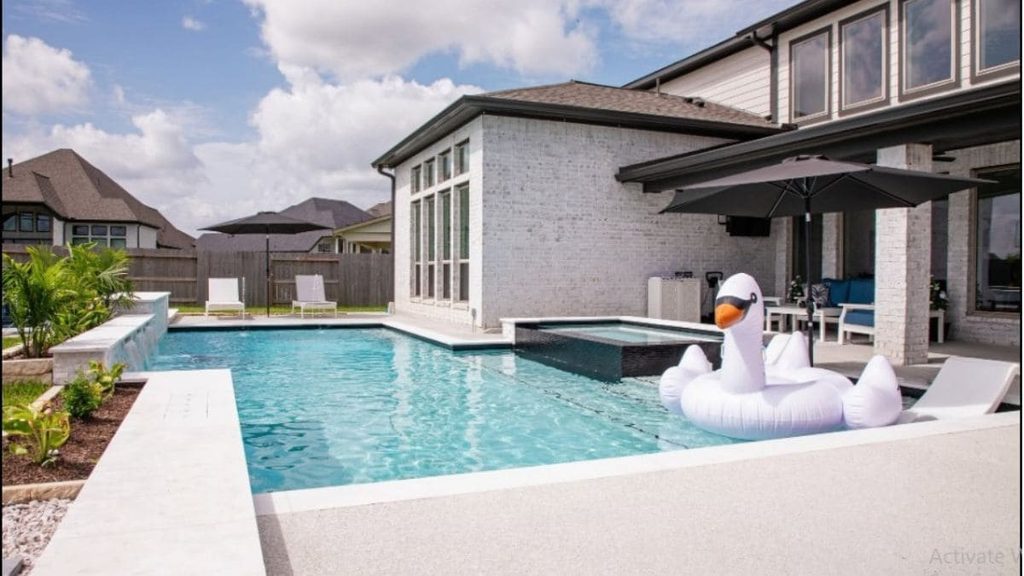
Adding a pool heater during the initial pool build is often the more cost-effective choice because the builder can set the utility connections and equipment pad at the same time. See where it lands in the installation process.
Installing a heater after the pool is finished often requires extra labor to rework plumbing and run new utility lines, which increases the overall project cost.
If your budget allows, plan for the heater during construction, even if you install the unit later, so the necessary connections are already in place. Future installation is faster and less expensive.
Planning a New Pool or Heater Upgrade?
Our experts can help you choose the best time to install a pool heater and avoid unnecessary retrofit costs.
The Pool Cover Factor Most Homeowners Miss
The U.S. Department of Energy calls covering a pool the single most effective way to cut heating costs, with savings of 50% to 70%. Evaporation is by far the biggest source of heat loss, and a cover stops most of it.
It makes the biggest difference with solar pool heaters and electric heat pumps by helping them maintain water temperature instead of constantly replacing lost heat.
Solid covers run about $3,000 to $5,000, and automatic covers about $15,000 to $25,000. Mesh safety covers let water through, so they do little to hold heat.
Best Heater Choice by Goal
The right pool heater becomes much easier to choose when you start with your main goal instead of the purchase price.
| Your Goal | Best Heater Choice | Why It Fits |
|---|---|---|
| Fastest heat | Gas | Raises pool and spa temperatures quickly, making it ideal for short-notice use. |
| Lowest operating cost | Solar | Uses solar energy, keeping monthly heating costs to a minimum after installation. |
| Best all-around for warm climates | Heat Pump | Delivers excellent energy efficiency and low operating costs in mild and warm weather. |
| Best for an attached spa | Gas | Reaches high spa temperatures much faster than other heating systems. |
| Best for frequent swimming | Heat Pump | Keeps the pool at a comfortable temperature with lower monthly energy costs. |
| Best eco-friendly option | Solar or Heat Pump | Both use less energy than gas heaters and reduce long-term environmental impact. |
| Best for precise temperature control | Gas or Heat Pump | Both systems work well with pool automation to maintain a consistent water temperature. |
| Best for a long swim season in Florida | Heat Pump or Solar with a Pool Cover | Warm weather supports efficient heating, and a pool cover helps retain heat and reduce operating costs. |
Questions to Ask Before Choosing a Pool Heater
Before you compare heater prices, answer these questions to narrow down the best option for your pool.
- How often will I heat the pool?
- Do I also have an attached spa?
- What is my local climate?
- Is natural gas available at my home? Existing natural gas service can reduce installation costs compared to installing a new propane system.
- Does my electrical panel have enough capacity? Heat pumps need a dedicated electrical circuit, so check whether your current panel can support the new equipment.
- Do I have enough roof or yard space for solar collectors? Solar pool heating works best when there is adequate space with good sun exposure.
- Will the heater fit on my equipment pad? Make sure there is enough room for the heater and its airflow clearance.
- Do I want to control the heater from my phone? If so, choose a heater compatible with your pool automation system or that supports smart controls.
- Am I planning to use a pool cover?
- Am I choosing based on installation cost or long-term ownership cost?
FAQs
How long is the swim season without a heater?
It depends on your market. In Corpus Christi, unheated swimming runs roughly April to mid-October, and in Houston Northwest about six to seven months. In Dallas-Fort Worth, a heater mainly adds late fall and early spring, and in Temecula a heated spa makes winter swims possible on warm days.
Is a gas or electric heat pump better for a pool?
A heat pump wins on running cost, and gas wins on speed. The DOE rates heat pumps by coefficient of performance, usually 3.0 to 7.0, so each unit of electricity moves three to seven units of heat into the water. Gas still heats a spa faster.
Is solar pool heating worth it?
It can be if you have the space. The DOE sizes solar collectors at 50% to 100% of the pool’s surface area, so a 15-by-30-foot pool needs roughly 225 to 450 square feet of roof or ground. California requires at least 60% when solar is the primary heater.
What is the cheapest way to heat an inground pool?
Run the water a little cooler. The DOE says each degree warmer can cost 10% to 30% more in energy, depending on location, and most pools sit at 78°F to 82°F. Dropping a few degrees and covering the pool overnight cuts costs with any heater.
Can you add a heater to an existing inground pool?
Yes. Start with what’s already at the pad: an existing gas line favors gas, and spare panel capacity favors a heat pump. In California, heating an existing pool for the first time counts as a newly heated pool, so gas can only be the backup there.
How long does a pool heater last?
The DOE says heat pumps typically outlast gas heaters with proper maintenance, and solar systems typically outlast both. Actual life depends on water chemistry and upkeep, so ask your builder what the manufacturer warranty covers on each part.
Get Heater Pricing for Your Market
Heater prices and the best fuel change from one market to the next. Our builders complete more than 1,100 luxury pools a year across 11 markets in 7 states. Find the builder in your market for a quote that fits your gas service and swim season.
Enjoy a Warmer Pool All Season Long
Find the right pool heating system for your budget, climate, and swimming habits with personalized recommendations.